
High, Shoulder And Low Season By Region
Origin and history
The categorization of travel periods into High, Shoulder, and Low seasons is a commercial practice originating from the global travel and tourism industry in the mid-20th century. Its development coincided with the rise of commercial aviation, packaged holidays, and standardized hotel pricing in the 1950s and 1960s. The system was formalized by airlines, hotel chains, and tour operators to systematically manage demand, capacity, and revenue across different geographical markets. It is not a natural phenomenon but an economic model applied to tourist destinations worldwide. The specific boundaries for each season are defined regionally, reflecting local climate patterns, school holidays, and major cultural or religious events. This framework has become the universal language for pricing and availability in the travel sector, though its application can vary significantly between a ski resort and a tropical beach.
What it is for
This seasonal framework primarily functions as a dynamic pricing and demand management tool for all travel service providers. It directly determines the cost of flights, accommodations, tours, and often car rentals, with prices fluctuating dramatically between seasons. For travelers, it serves as a guide to anticipate general price levels, crowd densities, and typical weather conditions for a destination at a given time. The system helps in planning by signaling periods of peak demand and associated high costs, as well as potential periods of reduced services or closures during the deep low season. It is used to balance tourist flow, aiming to protect fragile environments from over-tourism during peaks and support local economies during quieter months. Ultimately, it is a calendar-based economic indicator that translates climatic and social calendars into practical travel planning and budgeting metrics.
Pros and cons
The primary advantage is transparency, allowing travelers to predict costs and crowds and make informed trade-offs between budget, weather, and experience. It efficiently allocates scarce travel resources, like flight seats and hotel rooms, through price mechanisms. For destinations, it maximizes revenue during high season and provides a predictable cycle for maintenance and local respite during low season. A significant con is its oversimplification, as it can mask nuanced regional variations, such as micro-climates or short, localized festivals that create unexpected demand spikes. Many travelers regret choosing the low season solely for price, only to find key attractions closed, public transport reduced, and a general lack of atmosphere. A common mistake is assuming shoulder season offers a perfect compromise, but it can sometimes deliver the worst of both worlds: diminished amenities from the high season with unpredictable, often poor, weather from the low season.
Who it suits
This framework suits budget-conscious planners who prioritize cost savings and are willing to travel during less popular times, accepting potential weather compromises. It also suits families locked into school holiday schedules, who must accept high-season pricing and crowds as a non-negotiable aspect of their travel. The system benefits peak-season travelers who prioritize guaranteed optimal weather and full operational services and are willing to pay a premium for that certainty. It is less useful for flexible, destination-agnostic travelers who could use fare alerts and last-minute deals that often cut across these rigid seasonal categories. The model suits conventional tourist hotspots and resorts perfectly but is poorly suited to cities and cultural destinations with business travel demand, where seasons are dictated more by conferences and events than climate. It is ultimately best for those who prefer a structured, predictable planning process over spontaneous or niche travel discovery.
Latest High, Shoulder And Low Season By Region news
Latest reporting
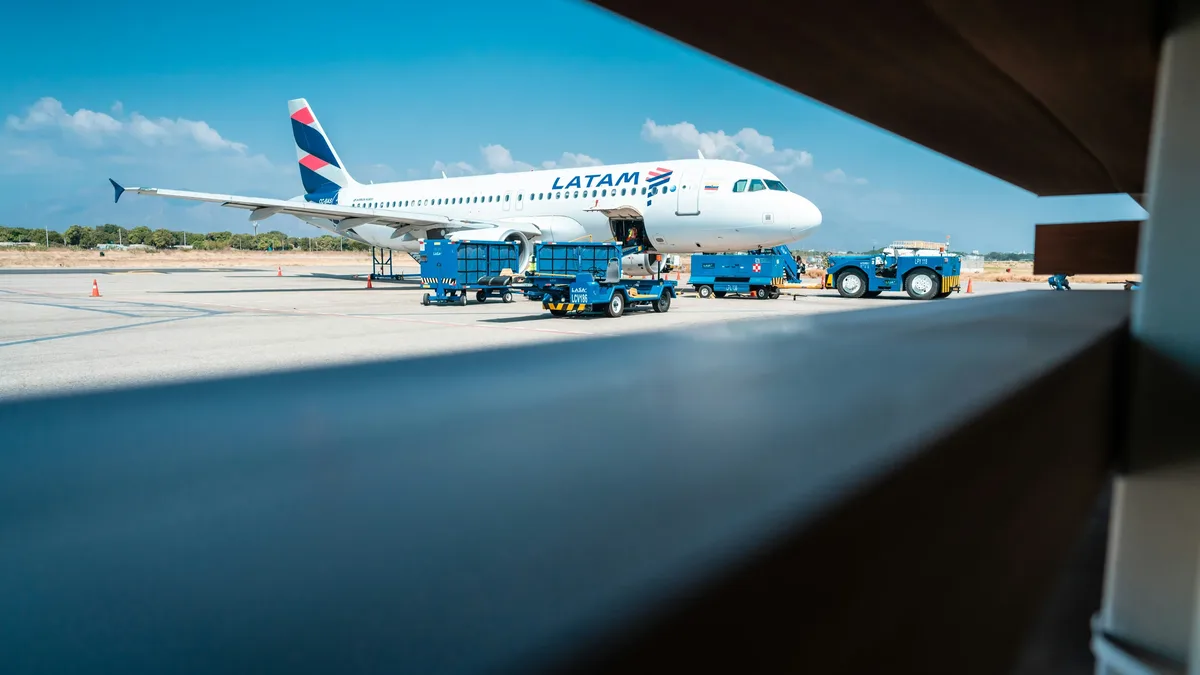
LATAM adds flights, new destinations for Brazil summer
LATAM will increase domestic frequencies in Brazil by 13% for the 2026/2027 summer season, adding 52 weekly flights.
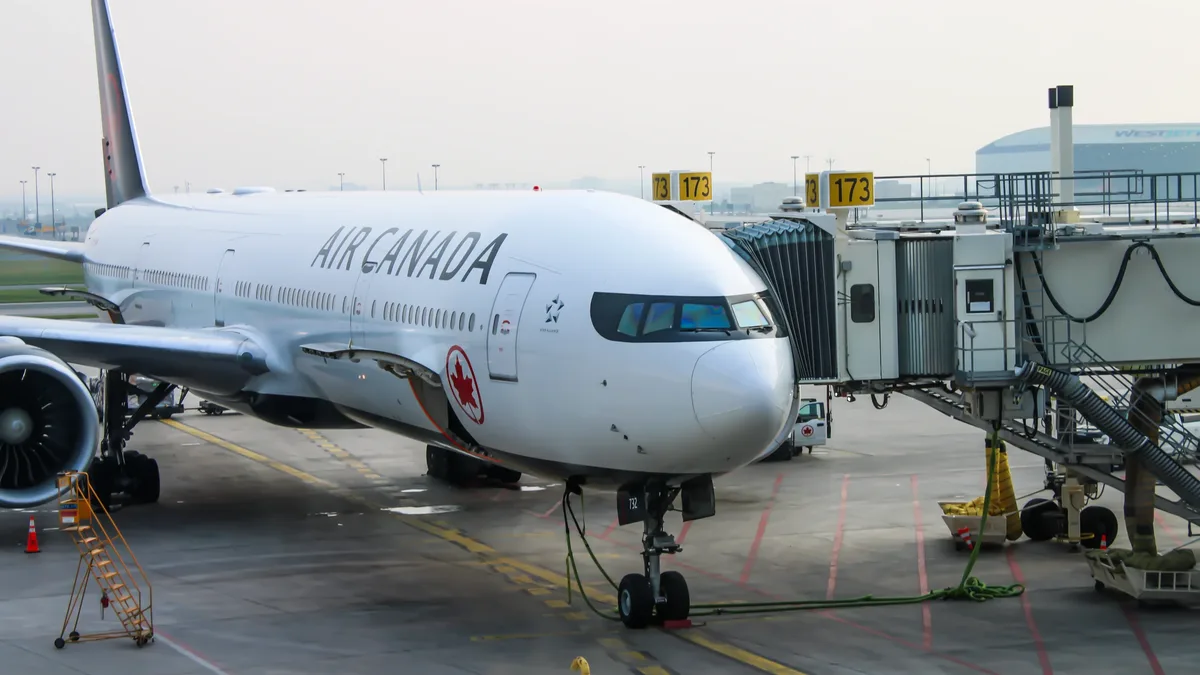
Canada-Dominican Republic flights to jump 39% for winter
AERODOM, the airport operator, will increase seat capacity from Canada to the Dominican Republic by 39% for the 2026-2027 winter season.
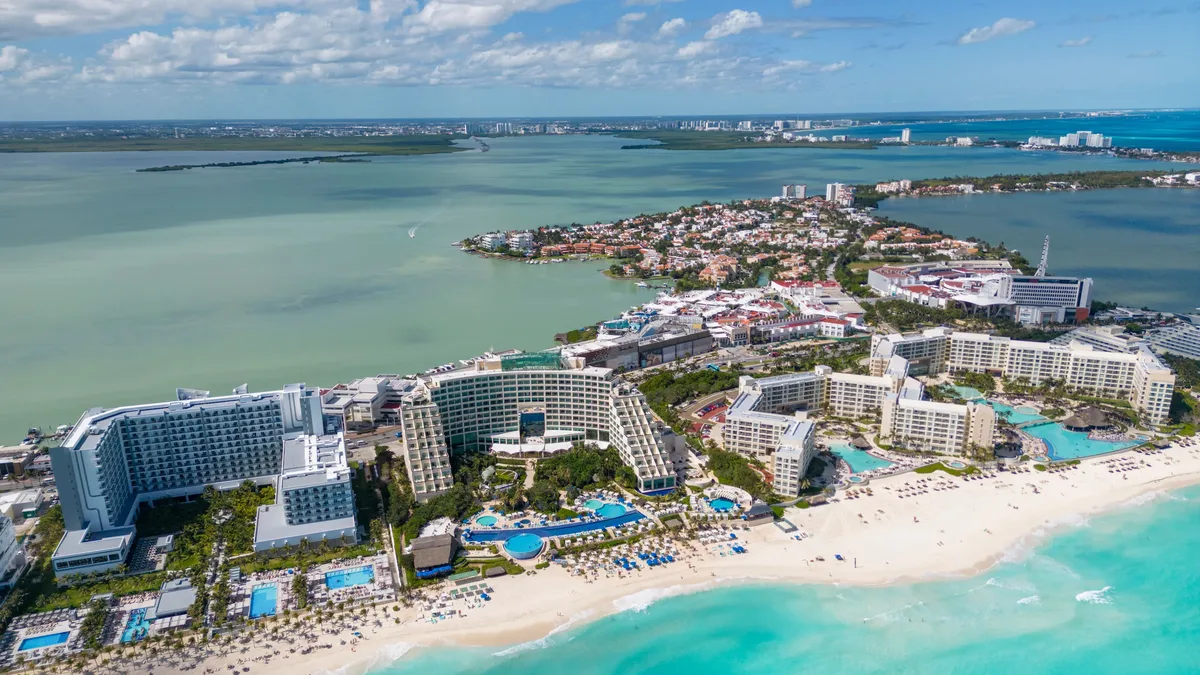
Mexican Caribbean Hoteliers Detail Government's Role
Hoteliers in Quintana Roo have formally presented state and federal officials with a list of government actions they blame for the region's tourism

Tulum Tourism Leader Blames Sargassum, World
The vice president of tourism for Tulum's chamber of commerce says the high season was not prosperous, with hotel occupancy reaching only 60-70%...

Riviera Maya Hotels Remodel 2,000 Rooms
Hotels in Mexico's Riviera Maya are renovating over 2,000 rooms ahead of the winter tourist season, supported by a global promotional campaign.

Santander Visa Infinite Private card offers
Santander has launched the Visa Infinite Private credit card for high-income clients, offering 6 Esfera points per dollar on domestic purchases and a