U.S. Airlines Cut Flights as Fuel Costs Soar
American, United, and Southwest Airlines are reducing or rethinking flight schedules following a sharp rise in jet fuel prices, aiming to protect profits
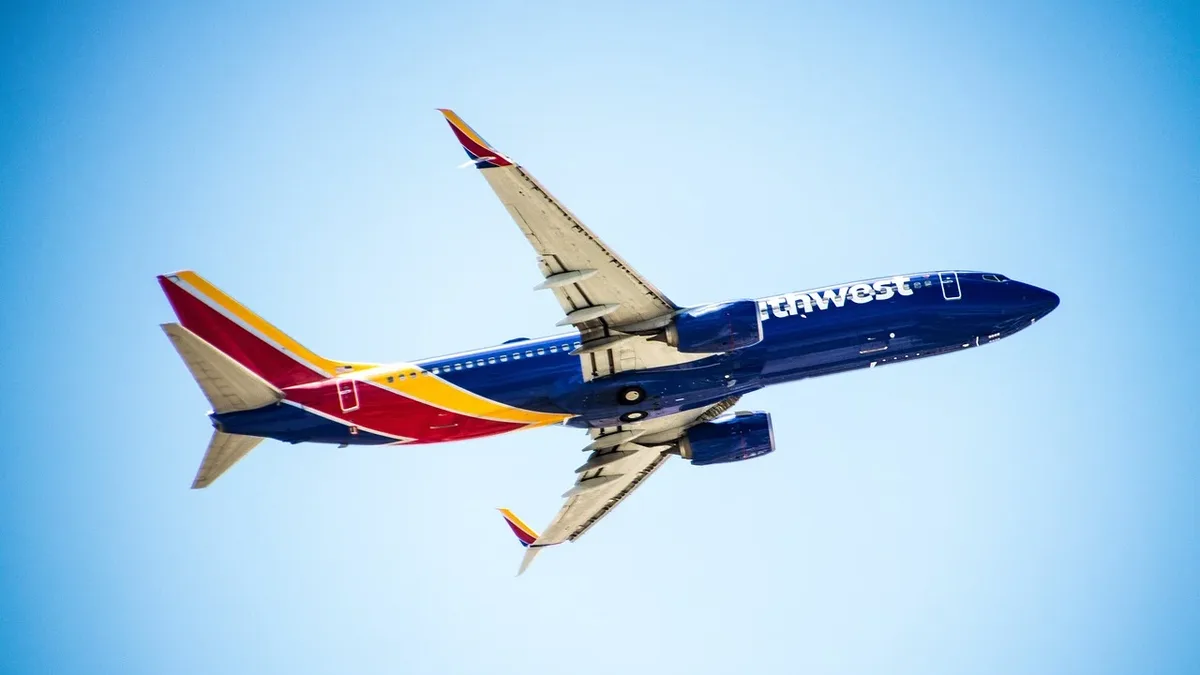
American Airlines, United Airlines, and Southwest Airlines are cutting or rethinking planned flight schedules after a recent spike in jet fuel prices. Executives from the three carriers outlined their responses at a Morgan Stanley conference, describing a strategy of defending ticket prices and removing economically weakened flights from their grids.
The cost increase is not new, but the latest surge is forcing a review of late 2026 offerings and, in some cases, 2027 growth plans. The stock prices of all three airlines fell over the last month, tracking the fuel price rise.
American's $1 Billion Q4 Hit
American Airlines CEO Robert Isom stated that if fuel prices remain at current highs, it will require adjustments to the airline's capacity planning. He expressed satisfaction with the third-quarter revenue projection, an annual increase of between 16% and 19%, which he believes is durable across domestic, international, premium, and economy cabins.
Chief Financial Officer Devon May quantified the new burden. Jet fuel for the fourth quarter is up nearly $1 per gallon compared to July's assumption. Each penny move equates to about $10 million in quarterly cost. The result is an added cost of around $1 billion for the fourth quarter alone. American will still grow capacity in the quarter but will cut back slightly in December. May indicated that 2027 growth will be lower than the company expected three to six months ago.
United Trims December Schedule
United Airlines has already executed some cuts. CFO Michael Leskinen said some flights planned for December will not operate because higher fuel costs made marginal routes uneconomical. He warned that if prices do not fall, more adjustments will come in the first quarter of 2027 and beyond.
Leskinen described fourth-quarter bookings as "tremendously strong" and sees no broad destruction of demand. United continues to aim to pass 100% of the fuel cost to fares, albeit with a lag, as about 35% of the quarter's tickets are already sold. "We don't fly to maximize market share. We fly to maximize profitability and free cash flow generation," he said.
Southwest Halves 2026 Growth Plan
Southwest Airlines has already cut its planned 2026 capacity growth in half and does not rule out further cuts. The original plan was to increase supply between 2% and 3% year-over-year; fuel costs have reduced that to about half. The company had already lowered its annual guidance to around 1.5% in July.
CFO Tom Doxey said fall revenues are coming in above expectations, helping offset fuel and allowing the airline to maintain its third-quarter earnings guidance. However, the underlying message matched its competitors: "If fuel stays high for longer," cutting capacity is "the natural response."
The three airlines' strategies, while sharing the same diagnosis, differ in their immediate application. A comparison of their positions is below:
| Airline | Immediate Action | Forward-Looking Stance |
|---|---|---|
| American | Still growing in Q4, easing in December. | Lowered growth expectations for 2027. Faces ~$1B extra Q4 fuel cost. |
| United | Already removed some December flights. | Open to more cuts in Q1 2027. Prioritizes margin and cash over market share. |
| Southwest | Already halved 2026 capacity growth plan. | May cut again if high fuel prices persist. |
In all three cases, passenger traffic has not broken. What has broken is the profitability threshold for weak frequencies-particularly midweek flights, shoulder season routes, and lower-yield destinations-when fuel moves a dollar per gallon. The industry is not canceling entire networks; it is removing from the schedule what no longer covers variable costs.
For the Latin American market, the nuance matters. American's Isom did not speak of a regional cooling, noting extra revenue appears in both domestic and international operations. The current risk is not demand for hubs like Miami or Dallas-Fort Worth, but of more selective supply if jet fuel remains at these levels. None of the three airlines has yet published a list of routes affected by the winter adjustment; that will come with third-quarter earnings reports.