Flexible And Changeable Tickets
| Ticket type | Flexible ticket, Changeable ticket, or Flexi fare |
|---|---|
| Common carriers | Airlines, rail operators, intercity bus companies |
| Core flexibility | Date/time changes, route changes, or both |
| Standard restrictions | Advance change notice, same cabin rule, fare difference payable |
| Fare basis | Typically a specific, published fare class (e.g., 'Y', 'J', 'Flex') |
| Refundability | Usually non-refundable, change fees may apply |
| Purchase channel | Direct from carrier, via travel agency, or both |
Origin and history
The concept of Flexible and Changeable Tickets originated within the commercial aviation industry in North America and Europe during the late 20th century. These tickets evolved from standard, restrictive fare classes as airlines sought to segment their customer base and maximize revenue from different traveler types. Their development was closely tied to the rise of computerized revenue management systems in the 1980s and 1990s, which allowed for dynamic pricing and complex fare rule structures. Initially, such flexible fares were almost exclusively the domain of full-service carriers catering to business travelers booked through corporate channels. The model proliferated globally as airline alliances formed and standardized fare products across partner networks. Over time, the underlying principle of paying a premium for ticket flexibility has been adopted by other long-distance transport sectors, including rail and intercity bus services.
What it is designed for
Flexible and Changeable Tickets are designed for travelers who require certainty in their ability to alter itineraries without severe financial penalty. Their primary function is to mitigate the risk associated with uncertain plans, whether due to business scheduling, complex multi-destination trips, or personal contingencies. These tickets are engineered to allow changes to travel dates, times, and sometimes even routes, often with no change fee, though fare differences usually apply. They are specifically structured to provide a different value proposition from non-refundable, advance-purchase discount fares, which trade a lower upfront cost for rigid travel rules. The product is also designed to simplify rebooking processes, typically permitting amendments directly through the carrier's website or service desk without requiring a full cancellation and re-purchase. Ultimately, they serve as an insurance product against the volatility of future plans, with the premium paid upfront for operational flexibility.
Development and versions
The development of these tickets has been iterative, driven by competitive pressures and technological advancements in distribution systems. Early versions were often simply full-fare, unrestricted economy or business class tickets, which came with inherent change and refund privileges. Subsequent versions introduced more granularity, such as "flex" fares within economy class that offered changeability but not full refundability, creating a mid-tier product. A significant development was the decoupling of change fees from the fare itself, leading to products that permit free changes but still require the traveler to pay any difference in ticket price for the new itinerary. The rise of low-cost carriers introduced another version: fully unbundled products where flexibility is purchased as a separate add-on, such as a "flexibility pass" or "change waiver," applied to an otherwise restrictive base fare. Recent versions in the digital era often include perks like priority seating or additional baggage allowance bundled into the flexible fare tier. The core evolution has been from a simple binary choice (restricted or unrestricted) to a spectrum of flexibility options at corresponding price points.
Pros and cons
The principal advantage is the empowerment to modify travel plans without the deterrent of high change or cancellation fees, providing significant peace of mind for volatile schedules. This can prevent the total loss of ticket value if plans shift, making it a financially prudent choice for certain trip types. A notable pro is that these tickets often have fewer advance purchase requirements, allowing for last-minute bookings while still retaining the option to change later. The major and most common drawback is the substantially higher initial cost compared to a basic economy or saver fare, which can often be double or more for the same seat on the same flight. A frequent regret occurs when travelers purchase a flexible ticket for a trip with fixed, immovable dates and then realize they paid a large premium for a benefit they never used. The common mistake is underestimating the strictness of the remaining rules; for example, many flexible tickets are changeable but not refundable to the original form of payment, or they may only permit changes before departure, leaving no recourse for no-shows. Furthermore, navigating fare differences during a change can be complex and may still result in a significant additional payment, diminishing the perceived value.
Who it suits
This product suits business travelers whose meeting schedules, project deadlines, or client demands are subject to frequent and last-minute revision, making the cost a justifiable business expense. It is also appropriate for individuals traveling to critical life events, such as a family emergency or a wedding, where the timing may be uncertain or require immediate adjustment. Travelers booking complex, multi-leg itineraries well in advance, particularly to regions with unpredictable weather or seasonal disruptions, may find the flexibility invaluable for re-routing. It suits those who simply value certainty and risk aversion over upfront cost savings, and who have the disposable income to pay for that insurance. Conversely, it is a poor fit for leisure travelers on strict budgets with fixed vacation dates, who will likely derive no benefit from the premium paid. It is also generally unsuitable for short-haul or very frequent routes where last-minute rebooking on a new, low-cost ticket may be cheaper than the original flexible fare premium.
Latest Flexible And Changeable Tickets news
Latest reporting
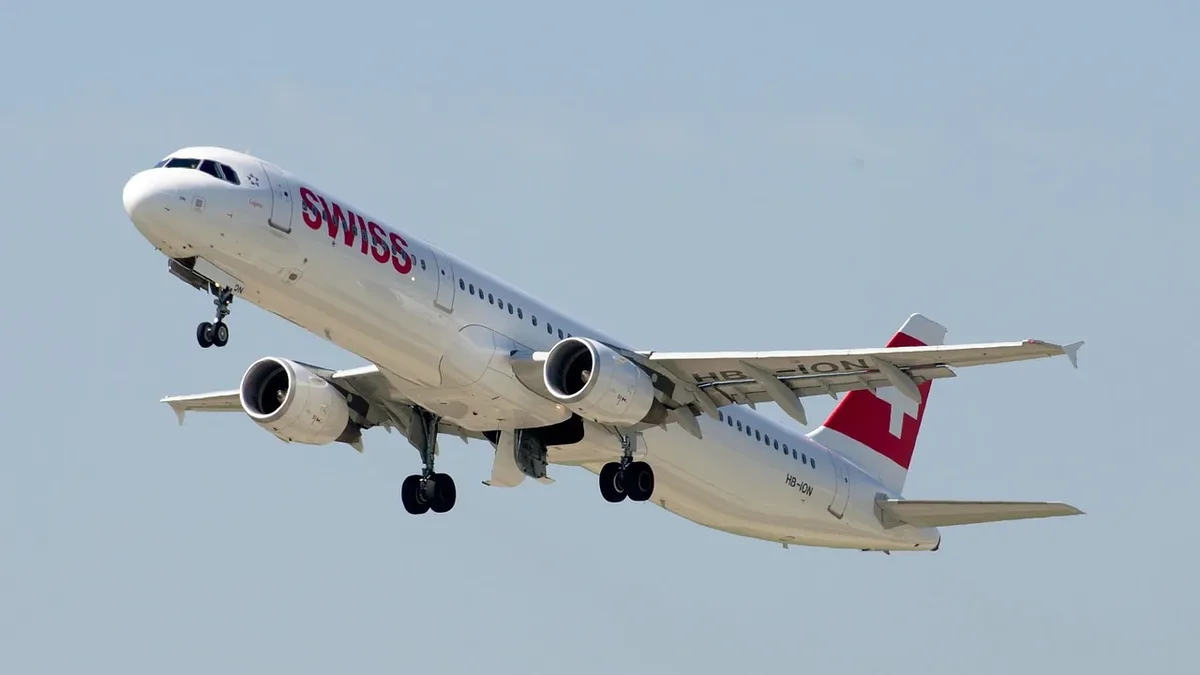
Joy Airline launches ticket sales for Jujuy routes
The new Argentine regional carrier Joy Airline has begun selling tickets for its initial routes connecting Jujuy with Córdoba and Buenos Aires.
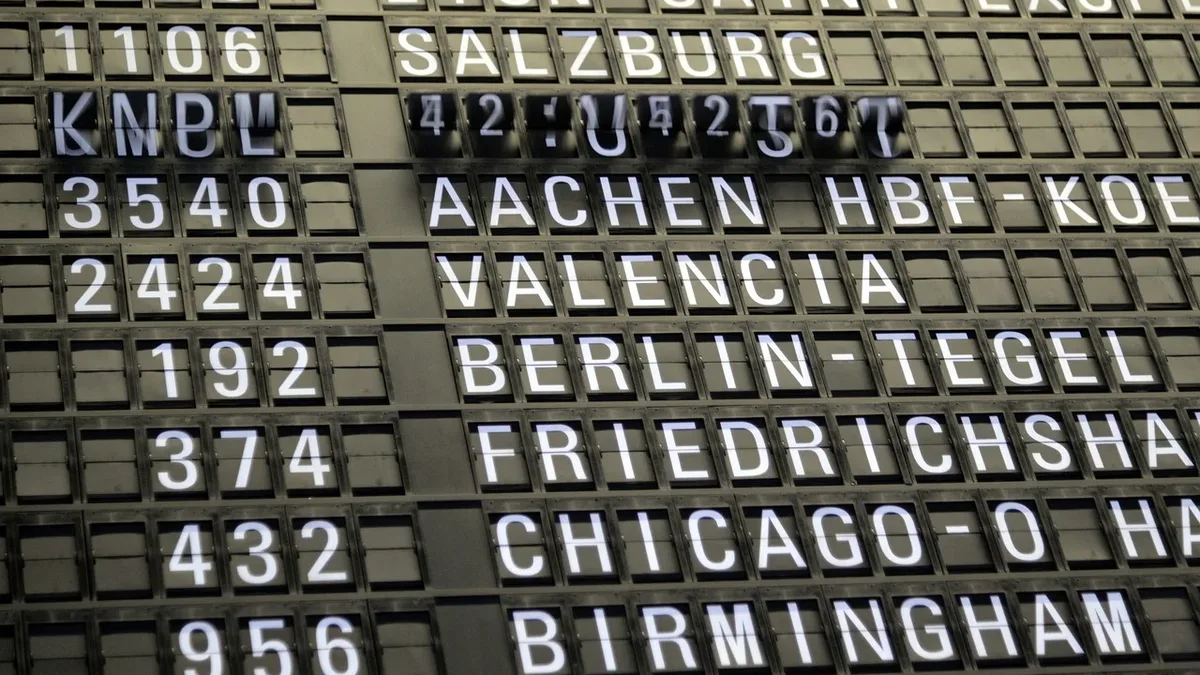
Flying Blue offers up to 25% off award tickets
The Flying Blue loyalty program is offering discounts of up to 25% on award tickets for travel to selected destinations.

Cathay Pacific Executive Class Tickets from Amsterdam to Hong Kong for 72,500 Avios
Round-trip Executive Class tickets between Amsterdam and Hong Kong are available via Cathay Pacific for 72,500 Avios through Finnair Plus, plus...

Italy Special: Flight Deals to Rome, Milan, Venice and More from R$3,637 Round-Trip
A new selection of flight deals offers round-trip tickets to various Italian cities starting at R$3,637, with options from multiple Brazilian...