U.S. Tightens Cuba Travel Restrictions and Sanctions
New U.S. sanctions have eliminated key travel licenses to Cuba and restricted financial access for private entrepreneurs.
The United States expanded its sanctions against Cuba on Tuesday with new financial and travel restrictions. These measures directly affect both state and private sectors, eliminating key travel authorizations for U.S. Citizens and blocking financial access for Cuban entrepreneurs.
The sanctions specifically eliminated the general license for professional meetings and conferences. They also restricted 'people-to-people' educational travel, a popular category for visitors. Educational trips organized by accredited academic institutions remain permitted. No new restrictions were placed on existing commercial flights to the island.
A major new financial rule prohibits U.S. Banks from opening or maintaining accounts for independent Cuban private sector entrepreneurs. This was confirmed by the Office of Foreign Assets Control. The Treasury Department also published updated guidance prohibiting 'U-turn' transactions involving Cuba-related dealings that start and end outside the United States.
Military Planning Intensifies Amid Diplomatic Pressure
Alongside the sanctions, the U.S. Military is preparing contingency plans for potential action in Cuba. These plans reportedly include providing police forces, medical personnel, and support units over the next four months. President Donald Trump commented on the situation, stating, "Yo diría que Cuba y nosotros haremos un acuerdo. No creo que sea necesario el Ejército."
The administration's broader goal is to pressure the Communist Party to relinquish power, ending nearly seven decades of one-party rule. For months, officials have tightened sanctions and imposed a de-facto fuel blockade. Secretary of State Marco Rubio has been a key architect of this approach.
Cuba's Market Remains Open for Select Investors
Despite the escalating pressure, limited travel and investment pathways to Cuba persist. Some academic travel under accredited organizations continues. The private sector within Cuba has become a critical lifeline, with entrepreneurs importing needed goods from abroad. Expanding trade loopholes, including authorizing private fuel sales, has helped prevent a total economic collapse.
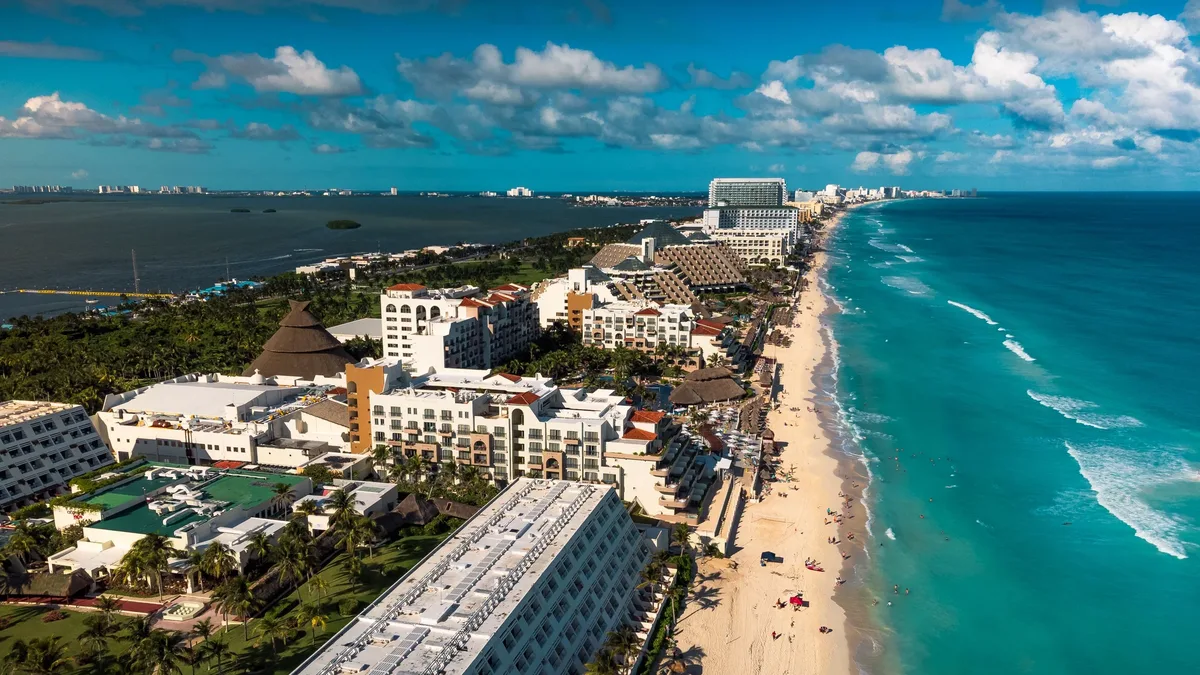
Major hotel chains like Marriott, Hilton, Hyatt, and Wyndham are expected to enter the Cuban market. This follows the exit of European operators such as Meliá, Iberostar, and Barceló. For airlines, Air Europa continues to operate flights to Cuba, while Iberia does not.
Secretary of State Marco Rubio highlighted the core challenge for investors. "La certeza es el problema," he said, noting the lack of guarantees for investors to keep and recover their investments under Cuba's current system. He emphasized that reforms must be implemented and maintained to build confidence.
Cuban officials acknowledge the intense pressure. Deputy Foreign Minister Carlos Fernandez de Cossío stated it is hindering market-friendly reforms. Foreign Minister Bruno Rodríguez said additional measures are needed after U.S. Claims that Cuba had already fallen. The government has stated it is willing to make economic changes but will not debate its system of government.