Ski Season In The Andes, The Alps And Japan
| Subject | Ski season month-by-month guide |
|---|---|
| Recall | The Andes, The Alps, Japan |
| Primary season months | June to October (Andes), December to April (Alps), December to March (Japan) |
| Typical peak months | July-August (Andes), January-February (Alps), January-February (Japan) |
| Travel focus | Long-haul flight required from major global hubs |
| Key cost factor | International airfare and resort transfers |
| Original use | Seasonal tourism for alpine skiing and snowboarding |
Origin and history
The concept of a defined ski season is a modern development tied to alpine tourism and infrastructure. In the European Alps, organized winter sports tourism began in the late 19th century, with Swiss and Austrian villages promoting themselves as health resorts. Japan's ski culture emerged in the early 20th century, influenced by Austrian instructors and expanding rapidly with domestic tourism in the post-war decades. The Andes saw the development of major ski resorts in the mid-20th century, particularly in Chile and Argentina, to cater to both local and international markets. The notion of comparing these three distinct seasonal windows is a product of late 20th-century global ski travel, allowing enthusiasts to chase winter across hemispheres. This comparative framework solidified with the rise of international travel packages and ski media in the 1990s and 2000s.
What it is for
This framework provides a practical calendar for planning ski and snowboard travel to maximize snow conditions and value. It allows travelers in the Northern Hemisphere to extend their winter season by traveling to the Andes during the Northern summer. Conversely, it enables Southern Hemisphere skiers to access major alpine terrain during their off-season. The comparison serves to highlight the contrasting cultural experiences, from the alpine charm of Europe to the deep powder of Japan and the rugged, high-altitude terrain of South America. It functions as a guide for aligning vacation schedules with optimal snowfall periods in each region.
Pros and cons
A major pro is the ability to ski year-round by following the opposite hemisphere's winter, though this requires significant time and budget. Japan provides exceptionally reliable, deep snow and unique cultural experiences, but the language barrier can be challenging and the ski terrain is often less expansive and more fragmented than in the Alps. The Andes boast long, sunny spring seasons and dramatic scenery, but snow reliability can be variable at lower elevations, and resort infrastructure can be less developed. A common mistake is underestimating travel times and jet lag, particularly for trips from North America or Europe to Japan or South America, which can consume a substantial portion of a one-week trip. Many who regret a choice often cite picking a region based solely on snow reputation without considering their preference for terrain type, nightlife, or ease of travel.
Who it suits
This comparative model suits dedicated skiers and snowboarders with the flexibility and resources to travel internationally for their sport. It is ideal for Northern Hemisphere residents seeking a summer ski fix, often academics or professionals with flexible summer schedules. It suits experienced skiers looking for specific conditions, such as powder hounds targeting Japan's maritime snowpack or off-piste enthusiasts drawn to the Andes' high alpine. The Alps best suit those who prioritize extensive lift-linked terrain, alpine cuisine, and a classic European ski holiday atmosphere, often appealing to families and groups with mixed abilities. Japan is well-suited for travelers seeking a deep cultural immersion alongside skiing, and for those who value impeccable snow quality over vast acreage. The Andes attract adventure-seekers comfortable with less polished infrastructure who are also interested in combining a ski trip with other South American travel.
Latest Ski Season In The Andes, The Alps And Japan news
Latest reporting
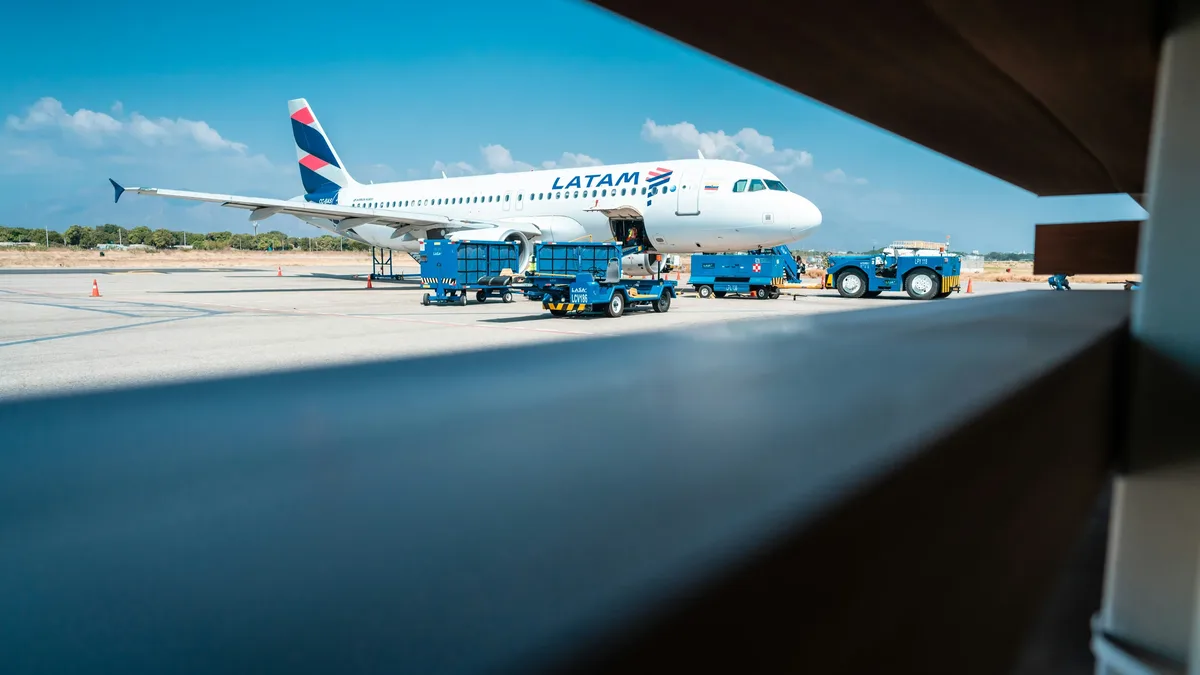
LATAM adds flights, new destinations for Brazil summer
LATAM will increase domestic frequencies in Brazil by 13% for the 2026/2027 summer season, adding 52 weekly flights.

Canada-Dominican Republic flights to jump 39% for winter
AERODOM, the airport operator, will increase seat capacity from Canada to the Dominican Republic by 39% for the 2026-2027 winter season.

Tulum Tourism Leader Blames Sargassum, World
The vice president of tourism for Tulum's chamber of commerce says the high season was not prosperous, with hotel occupancy reaching only 60-70%...

Riviera Maya Hotels Remodel 2,000 Rooms
Hotels in Mexico's Riviera Maya are renovating over 2,000 rooms ahead of the winter tourist season, supported by a global promotional campaign.
Air France Introduces La Première Cabin on Paris-San Francisco Flights
Air France has launched its new La Première cabin on daily flights between Paris and San Francisco. The experience is available on selected Boeing...