Long Haul Routings To Europe, Asia And Oceania
| Typical flight duration | 8 to 18 hours |
|---|---|
| Common departure hubs | Major international airports in North America |
| Primary aircraft type | Wide-body twin-aisle jets |
| Typical service class options | Economy, Premium Economy, Business, First |
| In-flight amenities | Seat-back entertainment, meals, blankets |
| Common routing type | Non-stop or one-stop via a hub |
| Required travel documents | Valid passport, may require a visa |
| Baggage allowance | Varies by airline and fare class |
Origin and history
The concept of long-haul routings as a distinct category of air travel emerged in the mid-20th century alongside the development of commercial jet aircraft. This operational classification is rooted in global airline industry practices, not a single country of origin, and became standardized as aviation networks expanded post-World War II. The specific grouping of Europe, Asia, and Oceania as standard long-haul destinations from major hubs like North America solidified in the 1960s and 1970s. This period saw the introduction of aircraft like the Boeing 707 and later the 747, which made non-stop or one-stop journeys across oceans commercially viable. The routings are defined by airline scheduling departments and alliances based on aircraft range, passenger demand, and international agreements. Their historical development is directly tied to technological advancements in jet engine efficiency and airframe design that progressively extended feasible flight distances.
What it is for
These routings provide the primary air corridor connections for passengers and cargo moving between major continental landmasses separated by vast oceans or immense geographical distance. They serve to link the economic and population centers of, for example, North America with the cultural and commercial hubs of Western Europe, East Asia, and the Southwest Pacific. The routings facilitate global business, tourism, diplomatic exchange, and family visits that would otherwise require weeks of surface travel. They are structured around key gateway airports that act as hubs for onward connections to secondary destinations within each region. The network design aims to balance operational efficiency, such as minimizing fuel burn over water, with market demand on specific city pairs. These flight paths constitute the skeleton of international aviation, enabling the movement of millions of people and tons of goods annually across global hemispheres.
Pros and cons
A primary advantage is the direct connection between distant regions, compressing travel time that once took weeks into a single day of travel. Established routings benefit from frequent service by multiple airlines, providing competitive pricing and schedule flexibility for travelers. The use of modern, wide-body aircraft on these routes often offers better in-flight amenities and greater cabin configuration options compared to short-haul flights. A significant con is the physical and mental strain of extended confinement, jet lag, and the higher risk of deep vein thrombosis associated with flights regularly lasting eight to eighteen hours. Travelers often regret not carefully considering the total journey time, which includes ground transfers and layovers, not just flight time, leading to exhaustion upon arrival. A common mistake is selecting the cheapest fare without scrutinizing the layover duration and airport, potentially resulting in stressful, inefficient connections in complex hubs. These routings are also highly susceptible to disruption from weather systems over oceans, geopolitical tensions, and airspace closures, which can cause severe cascading delays.
Who it suits
These routings suit travelers whose destination is unequivocally a continent away and for whom time is a more critical factor than cost. They are necessary for business professionals with international commitments, who often prioritize direct flights or premium cabins to arrive ready for work. They suit tourists undertaking once-in-a-lifetime journeys who are willing to endure the discomfort for the experience at the destination, as well as individuals visiting family and friends abroad for whom no alternative exists. The routings are suited to travelers with sufficient health and mobility to manage long periods of sitting and the logistical challenges of major international airports. They are a poor fit for those with severe aviophobia, certain medical conditions exacerbated by cabin pressure, or travelers who intensely dislike the impersonal nature of mass long-distance transport. Budget-conscious travelers who can trade time for money may also find these routings challenging unless they are willing to accept longer, multi-stop itineraries to reduce cost.
Latest Long Haul Routings To Europe, Asia And Oceania news
Latest reporting

GOL Launches First European Route from Rio to Lisbon
Brazilian airline GOL has begun its first flights to Europe, connecting Rio de Janeiro and Lisbon with four weekly services using new Airbus A330...
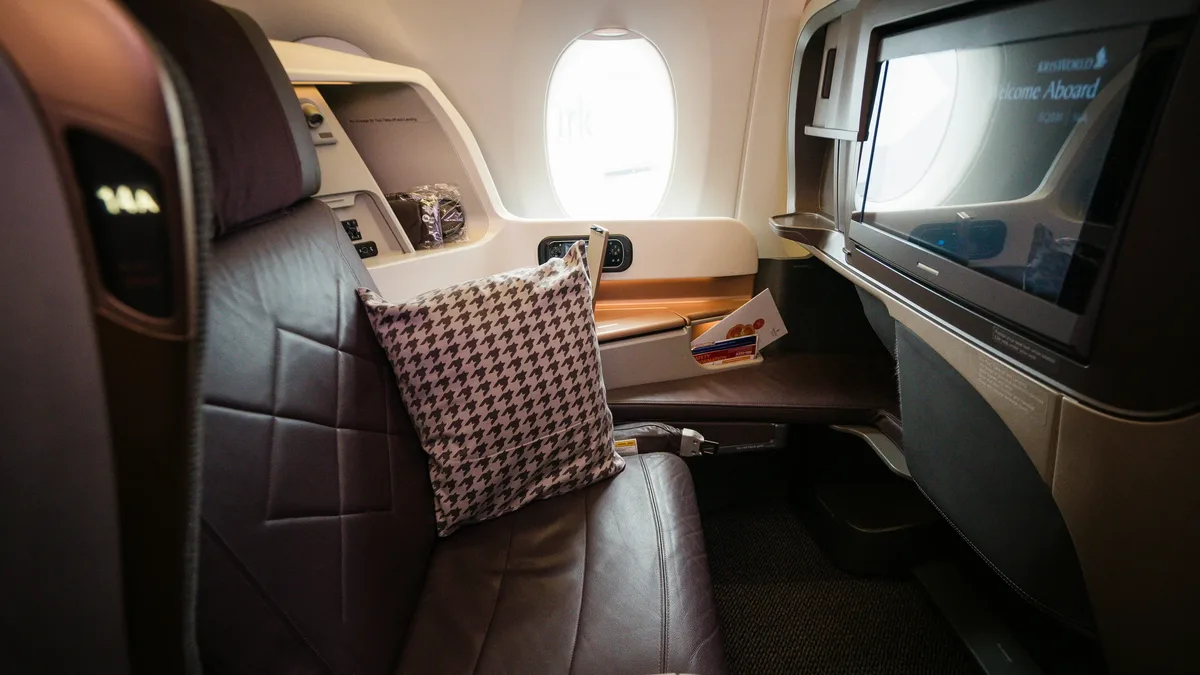
Avianca to add private suites to 787 Business Class
Avianca will install new private suites with doors in the Business Class cabins of its Boeing 787 fleet starting in 2027 for flights to Europe and New
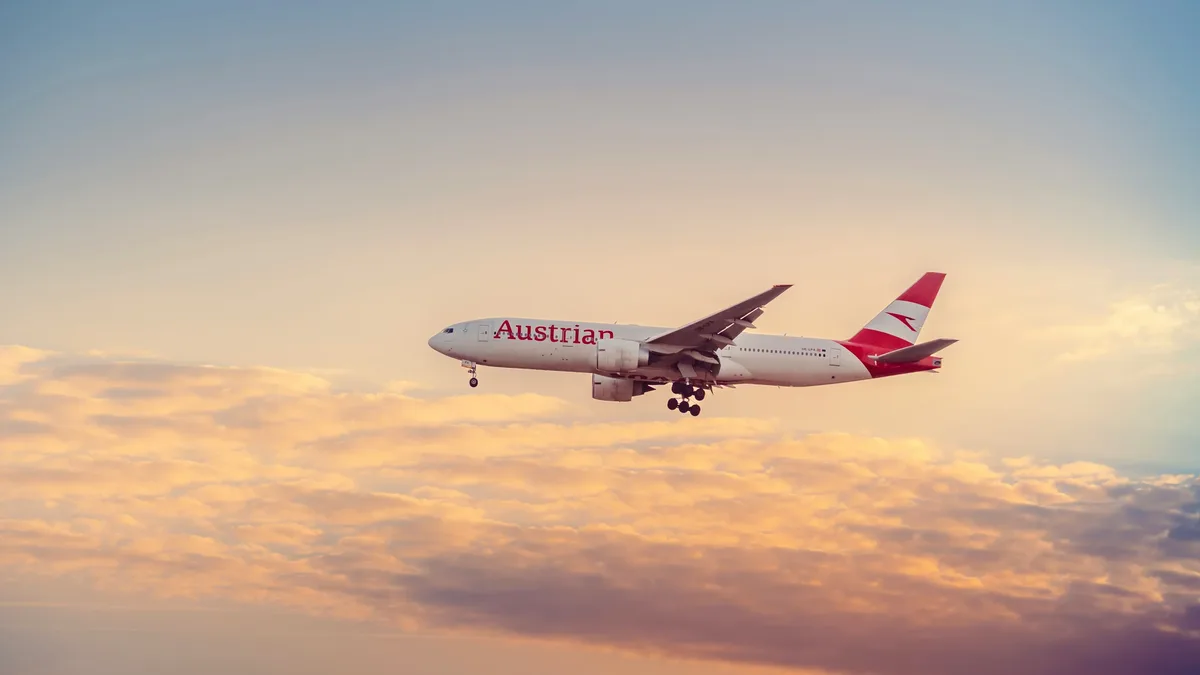
Austrian Airlines Retires Boeing 767 Fleet
Austrian Airlines is retiring its Boeing 767 fleet by year-end, selling three aircraft for parts in Arizona. The airline will standardize its...

United adds Ibiza, Valencia to Spain network
United Airlines announced its largest international expansion ever, adding ten new cities and three new routes across Europe and Asia. Flights from...

Delta Premium Select Offers Argentine Flavor on Long-Haul Flights
Delta Air Lines' Premium Economy cabin, Delta Premium Select, offers a unique blend of comfort, quality, and local flavor on its long-haul flights...

Delta Premium Select Offers Argentine Flair on Long-Haul Flights
Delta Air Lines' Premium Select cabin offers a unique blend of comfort, quality, and Argentine-inspired cuisine on long-haul flights