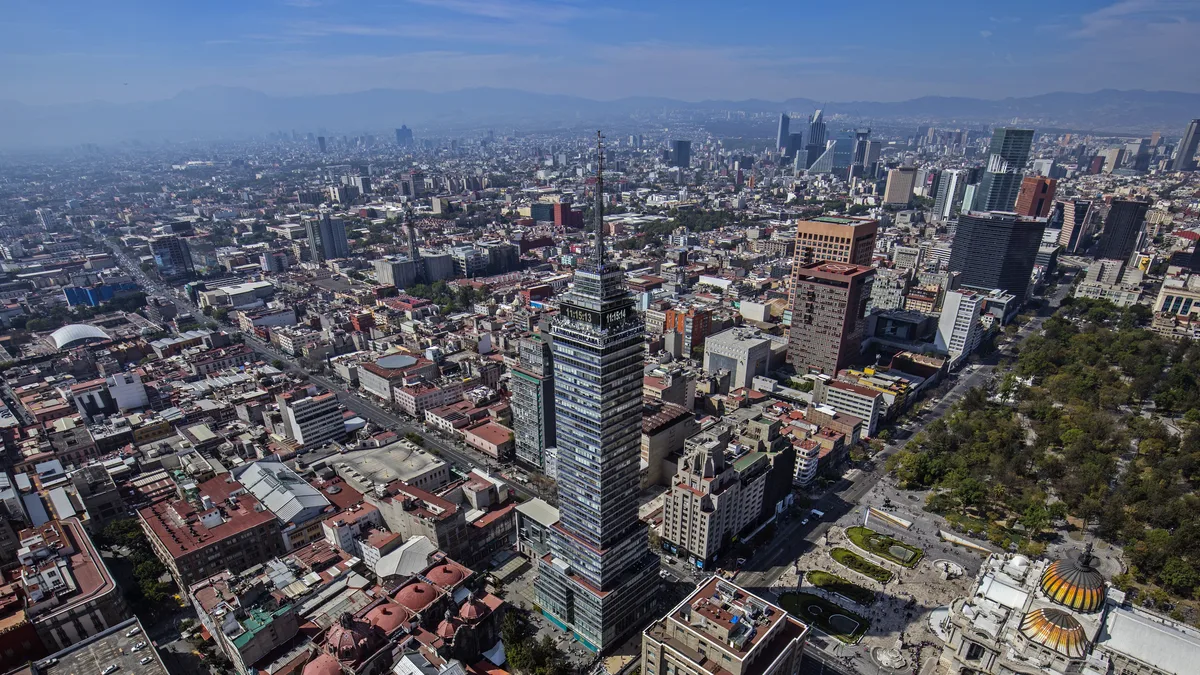
Mexico City
| Country of origin | United States |
|---|---|
| First created | 1840s |
| Original use | Planned county seat for Audrain County |
| Getting there | Served by US Route 54 and Missouri Route 15 |
| Nearest major airport | Lambert-St. Louis International Airport (STL), approximately 110 miles away |
| Typical drive time from St. Louis | 1 hour 45 minutes to 2 hours |
| Primary transport | Personal vehicle; no passenger rail service |
Origin and history
Mexico City is the capital of Mexico, located in the highlands of the country's central region. Its origin traces back to the 14th century with the founding of Tenochtitlan, the island capital of the Aztec Empire, on Lake Texcoco. The Spanish conquistadors, led by Hernán Cortés, captured and largely destroyed Tenochtitlan in the early 16th century. The colonial city of Mexico was then constructed atop the ruins, becoming the capital of the Viceroyalty of New Spain. This layered history is physically evident in the city's central archaeological sites, such as the Templo Mayor, which sit adjacent to colonial-era cathedrals. The modern metropolis expanded dramatically throughout the 20th century, absorbing surrounding towns and facing significant challenges from land subsidence due to the draining of the lake system.
What it is for
Mexico City functions as the political, financial, and cultural epicenter of Mexico. It houses the federal government branches, including the National Palace and the Congress of the Union, making it the primary seat of administrative power. The city is the headquarters for the nation's largest corporations and banks, driving the country's economic activity. As a central transportation hub, it connects domestic and international travel through the Benito Juárez International Airport and extensive bus terminals. It serves as the nation's dominant center for higher education, with major institutions like the National Autonomous University of Mexico (UNAM). Furthermore, it acts as a primary repository of national history and identity, containing the most significant museums, archives, and cultural institutions in the country.
Things to do in Mexico City
Visitors can explore the vast Zócalo, one of the world's largest public squares, surrounded by the Metropolitan Cathedral and the National Palace. The anthropology museum in Chapultepec Park provides a comprehensive overview of Mexico's pre-Columbian civilizations through its extensive artifact collections. A network of canals and floating gardens in the southern borough of Xochimilco offers traditional boat rides, recognized as a UNESCO World Heritage site. The Frida Kahlo Museum, located in the artist's former home in Coyoacán, displays her personal artifacts and major works. The ruins of the Templo Mayor, an Aztec temple complex discovered in the city center, are accessible via an adjacent museum housing thousands of excavated objects. Neighborhoods like Roma and Condesa are known for their art nouveau architecture, parks, and dense concentrations of restaurants and cafes.
What to do in Mexico City
Spend a day in the historic center, visiting the Palacio de Bellas Artes for its murals and attending a performance of the Ballet Folklórico. Take a day trip to the archaeological site of Teotihuacán, located northeast of the city, to climb the Pyramid of the Sun and the Pyramid of the Moon. Visit the local markets, such as Mercado de la Merced or Mercado Jamaica, to experience the scale of local commerce and food culture. Attend a lucha libre wrestling match at Arena México to witness this distinctive form of popular entertainment. Explore the galleries and street art of the San Rafael and Juárez neighborhoods, which reflect the city's contemporary art scene. Ride the cable car to the Cerro de la Estrella for a panoramic view of the urban expanse or visit the volcanic landscape of the Pedregal in the UNAM campus.
Best time to visit Mexico City
The dry season, from late October to April, generally offers the most reliably sunny and pleasant days for sightseeing. Within that period, the months of November through February are cooler, especially in the evenings, due to the city's high altitude. The spring months of March and April are typically warm and dry before the onset of the rainy season. The rainy season, from May to October, sees frequent afternoon showers and higher humidity, which can disrupt outdoor plans. Major holidays like Easter (Semana Santa) and the Day of the Dead (early November) are culturally fascinating but also correspond with peak domestic travel and higher accommodation prices. For a balance of good weather and moderate crowds, the shoulder months of October and late April are often considered optimal.
Mexico City itinerary
A three-day itinerary could dedicate the first day to the historic center, focusing on the Zócalo, Templo Mayor, and the Palacio de Bellas Artes. The second day might be allocated to Chapultepec Park, including the National Museum of Anthropology and the Chapultepec Castle. A third day could explore the southern neighborhoods, such as Coyoacán for the Frida Kahlo Museum and the Universidad Nacional, followed by Xochimilco. A five-day plan allows for a full day trip to the pyramids of Teotihuacán, often best started early to avoid crowds and afternoon heat. An extended stay permits deeper exploration of specific museums, like the Museo Soumaya or the Museo Dolores Olmedo, and time in colonias like Roma, Condesa, and San Ángel. Always factor in travel time between locations, which can be substantial, and consider dedicating evenings to specific neighborhoods for dining.
Pros and cons
A significant pro is the unparalleled depth of cultural and historical sites, from world-class museums to active archaeological zones, all accessible at relatively low entry costs. The city's culinary scene is a major advantage, ranging from street food stands to high-end restaurants, offering exceptional regional variety. A primary con is the intense traffic congestion and corresponding air pollution, which can cause respiratory discomfort and greatly slow surface transportation. The altitude, approximately 2,250 meters above sea level, can lead to altitude sickness for some visitors, resulting in headaches and fatigue for the first few days. Petty crime, such as pickpocketing in crowded areas and on public transit, is a persistent risk that requires constant vigilance from tourists. Visitors who regret choosing Mexico City often underestimate its sheer scale and logistical challenges, expecting a more walkable, quaint historic town rather than a sprawling, demanding metropolis.
Who it suits
This destination suits history and archaeology enthusiasts who want to engage directly with layers of Mesoamerican, colonial, and modern history in one location. It is ideal for food-focused travelers willing to explore both market stalls and innovative dining scenes across various price points. The city appeals to urban explorers comfortable with navigating a complex, bustling, and sometimes chaotic public transportation system, including the metro and buses. It is a good fit for travelers on a moderate budget, as costs for lodging, food, and entry to many attractions can be lower than in other major global capitals. It suits those interested in art, from pre-Columbian to muralism and contemporary galleries, who are prepared to visit institutions spread across the city. It is less suited for travelers seeking a relaxed beach holiday, those with significant mobility issues due to uneven sidewalks and crowds, or individuals sensitive to air quality issues.
Latest Mexico City news
Latest reporting
Cancún Hoteliers Oppose Sheinbaum's Non-Resident Fee Hike
Hotel leaders in Cancún warn that President Claudia Sheinbaum's planned increase to the Non-Resident Fee (DNR) will hurt Mexico's competitiveness.
Tourism Leaders Call for New Strategy to Boost Mexico
Industry leaders at a Skål Mexico meeting warn that inflation, poor air connectivity, and weak promotion are hurting Mexico's tourism competitiveness
Hyde Mexico City Reforma
Hyde Hotels opens in Mexico with 106 rooms
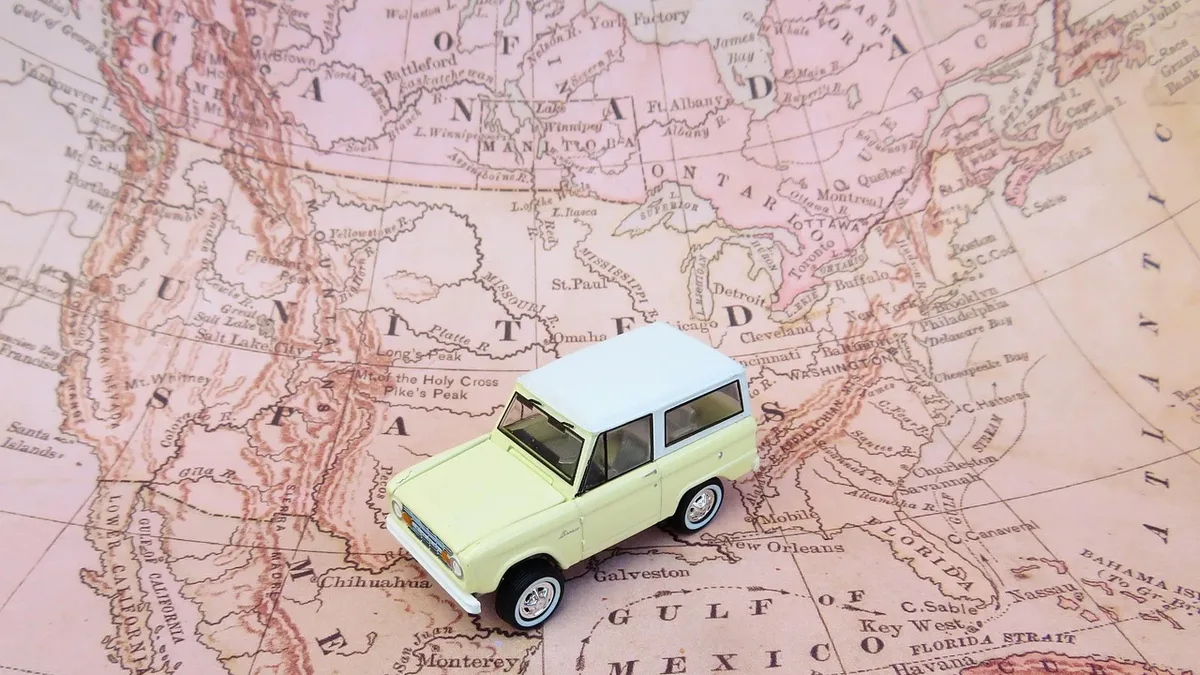
WTTC Urges Quintana Roo to Diversify Beyond Sun and Beach
The World Travel & Tourism Council says Mexico ranks fourth globally for leisure travel spending and calls for the state of Quintana Roo to expand air
Alaska Airlines adds Loreto, Mexico as 50th San Diego route
Alaska Airlines will begin seasonal direct flights from San Diego to Loreto, Mexico on December 19, marking its 50th destination from that city.
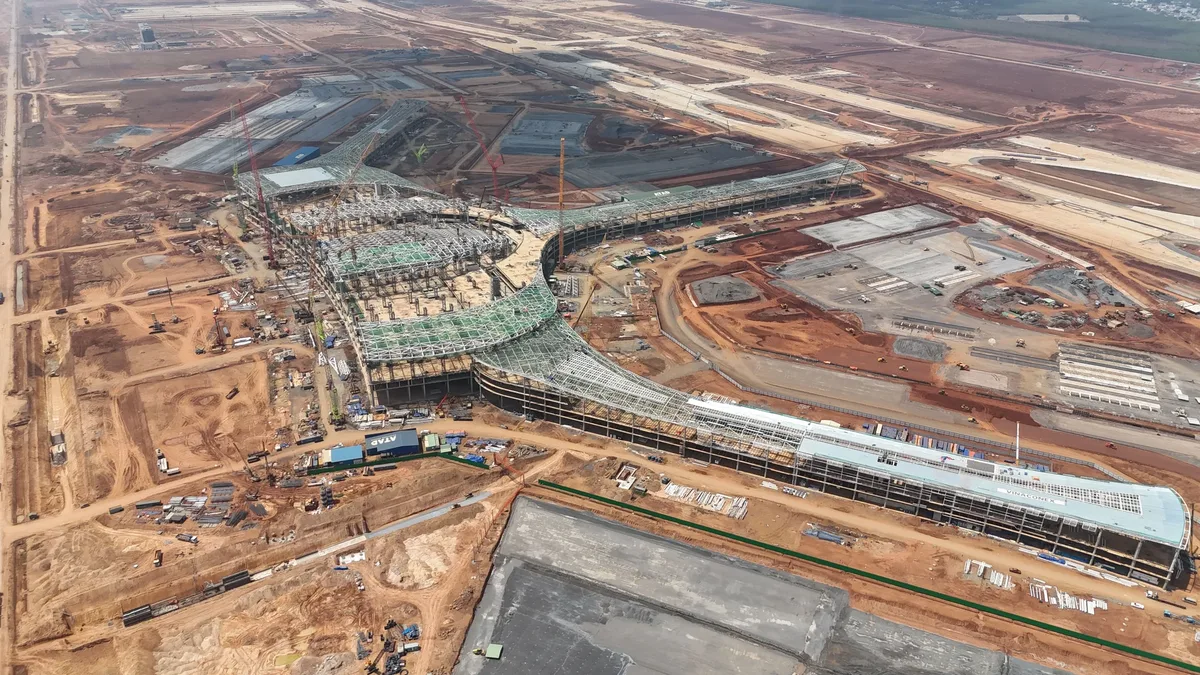
Puebla Airport Modernization Backed by $59 Million
The government of Puebla is investing approximately 1 billion pesos to expand and modernize the city's international airport and develop a surrounding