Tourism Leaders Call for New Strategy to Boost Mexico
Industry leaders at a Skål Mexico meeting warn that inflation, poor air connectivity, and weak promotion are hurting Mexico's tourism competitiveness
Tourism leaders in Mexico say the country must overhaul its promotion, strengthen air links, and better support businesses to counter inflation and rising international competition. The calls were made during the Third National Meeting of Skål Mexico 2026, held for the first time on the island of Cozumel.
Representatives from the organization's 26 state chapters and over 200 attendees gathered to discuss the main challenges facing national and international tourism. The assembly emphasized the need to build a long-term strategy between the government and the private sector.
A Need for Stronger Promotion and Connectivity
National Skål Mexico President Rodrigo Álvarez, Secretary Javier Ruiz, and Vice President Maru Moreno agreed that Mexico needs a more solid promotion strategy. They argued it must be accompanied by a strong country brand and better connectivity conditions to expand its presence in international markets. Álvarez noted that factors like inflation force a review of the sector's current strategies.
The leaders also highlighted the potential of Skål's international network, which is present in 291 destinations across nearly 80 countries. They see it as a platform to broaden the promotion of Mexico and strengthen ties with other tourism markets.
The Scale of the Challenge in Quintana Roo
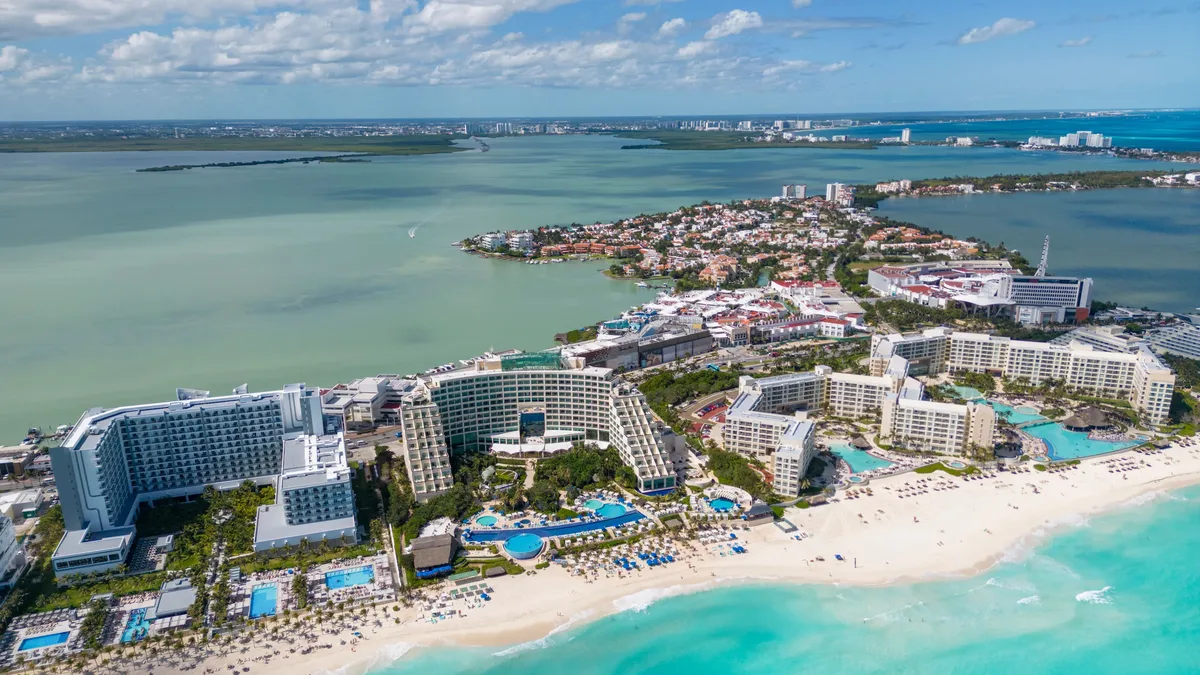
The source report, REPORTUR.mx, detailed related pressures in a key tourist region. Hoteliers in Quintana Roo have reportedly outlined to politicians the degree of blame they place on governors for the current decline of the Mexican Caribbean. They detailed actions within the leaders' power to reverse a crisis of a magnitude that risks sector businesses, with some accommodations already implementing temporary closures.
A Call for Long-Term Coordination
At the close of the Skål meeting, participants agreed that the country has a wide tourist offering but requires greater coordination between authorities and business owners to turn that diversity into a competitive advantage. The central proposal was to maintain a long-term vision, improve international promotion, and help conditions that allow the private sector to sustain and increase tourism activity.
Industry figures concluded that without these changes, Mexico's position as a destination will remain under pressure from global competitors and internal economic challenges.