IndiGo CEO Walsh Plans Fleet Renewal and Delhi Hub to Rival
IndiGo's new CEO, Willie Walsh, is negotiating with Embraer and ATR for regional aircraft and aims to build a connecting hub in Delhi to compete with

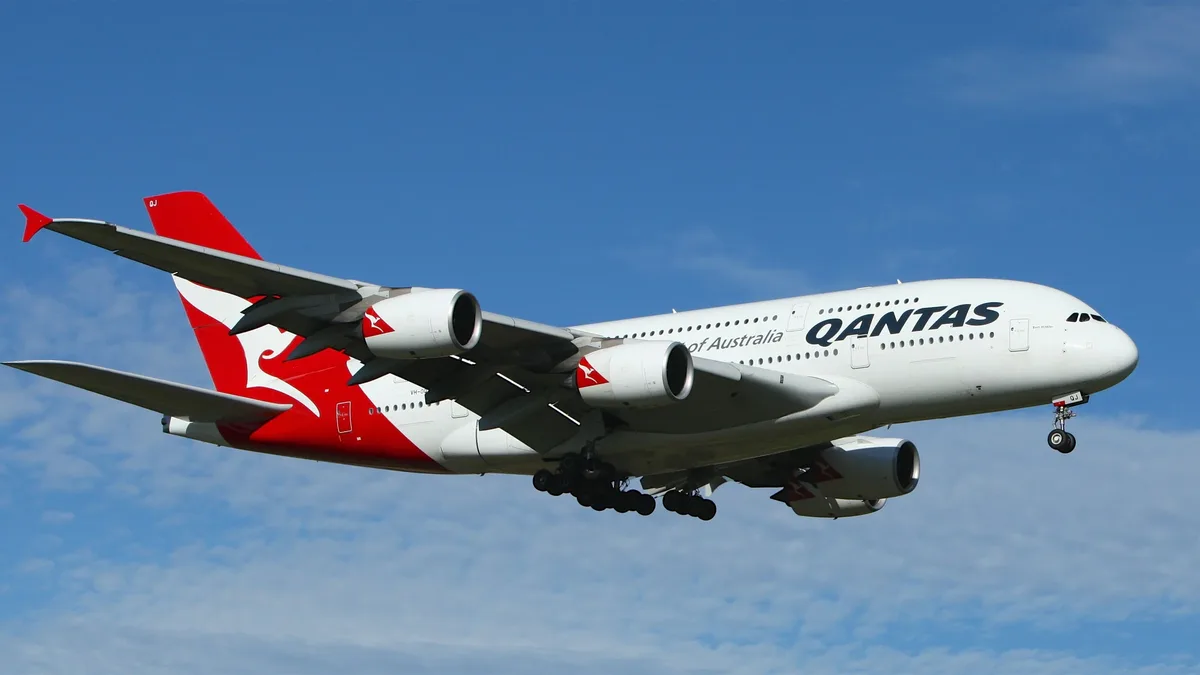
IndiGo's new chief executive, Willie Walsh, has confirmed initial negotiations with aircraft manufacturers Embraer and ATR for a regional fleet order. He aims to transform Delhi into a major connecting hub to compete directly with Middle Eastern carriers and airports. Walsh made the statements at the Skytrax World Airline Awards 2026 in London.
Willie Walsh assumed the role of CEO on August 3, replacing Pieter Elbers. He takes the helm of India's largest airline following an operational crisis in late 2025 triggered by new crew rest rules, which led to pilot shortages and mass cancellations. The Irish executive, former head of British Airways and IAG, inherits one of the world's largest order books.
The talks with Embraer and ATR are in a preliminary phase, with no finalized quantity or firm contract. Walsh stated the aircraft would be used to reinforce or replace IndiGo's existing fleet of roughly 40 ATR 72 turboprops. These planes currently serve short-haul routes and secondary airports.
Fleet Strategy and Network Logic
The potential order aligns with a broader network strategy. The ATRs operate on sub-90-minute sectors and can use restricted runways, but they are less efficient at slot-constrained major airports like Delhi, Mumbai, Bengaluru, and Hyderabad. A regional jet could move more passengers per frequency and better feed medium and long-haul flights.
Bloomberg had previously reported in August that InterGlobe Aviation, IndiGo's parent company, was evaluating an order for Embraer E2 jets. Such a deal would be Embraer's largest in India and fit with the manufacturer's interest in local industrial partnerships.
Building a Long-Haul Hub in Delhi
IndiGo controls nearly two-thirds of the domestic market. Walsh wants to use that extensive network to retain traffic within India that currently transits through Gulf hubs. He previously told reporters that a country of 1.4 billion people with only about 50 wide-body aircraft was, in his words, "a scandal," and that India had relied too heavily on Middle Eastern hubs for North American travel.
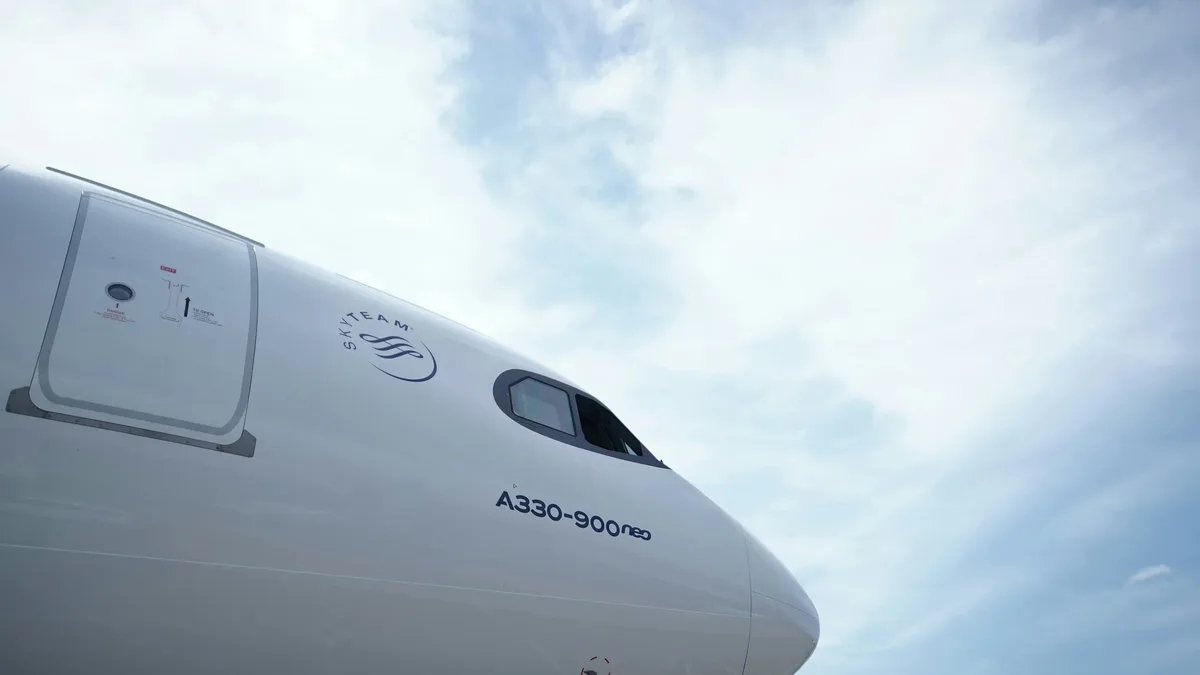
The bridge to long-haul operations will be the 60 Airbus A350-900s the airline has on firm order. First deliveries are scheduled between 2027 and 2028. Walsh has stated that the A350's entry into service will be the central milestone of the next five years, with international capacity targeted to approach 40% of the total by FY2030.
Given the number of aircraft we have and the 60 A350s we are going to receive, we are obviously going to look at many new markets where we do not operate today, Walsh said in London. Meanwhile, the company will end its damp lease of Boeing 787-9s from Norse Atlantic Airways starting in October, citing airspace restrictions, fuel costs, and a more complex operating environment.
Financial and Operational Challenges
The first quarter of FY27 highlights the tension of this transition. The company attributed much of the deterioration to fuel costs and network restrictions in West Asia.
On the same day those results were noted, Skytrax named IndiGo the Best Low-Cost Airline in India & South Asia for the sixteenth time. The source report calls this award "striking," given the airline's operational collapse in December the previous year. That crisis forced the cancellation of 4,500 flights, affected at least a million passengers, and saw on-time performance drop to a low of 20% on some days, ultimately leading to the departure of the former CEO.
Walsh's immediate tasks include stabilizing operations, deciding whether the regional feeder fleet remains turboprop or shifts to jet, absorbing an order book exceeding 900 aircraft, building a credible long-haul product for the A350, and repairing the airline's image. The source notes that the prior crisis is what allowed him to become CEO in the first place.