Boeing Max 10 Certification Delayed by FAA Over Software Bug
The FAA has halted certification of the Boeing 737 Max 10 due to a software bug in the flight management computer that affects vertical navigation during
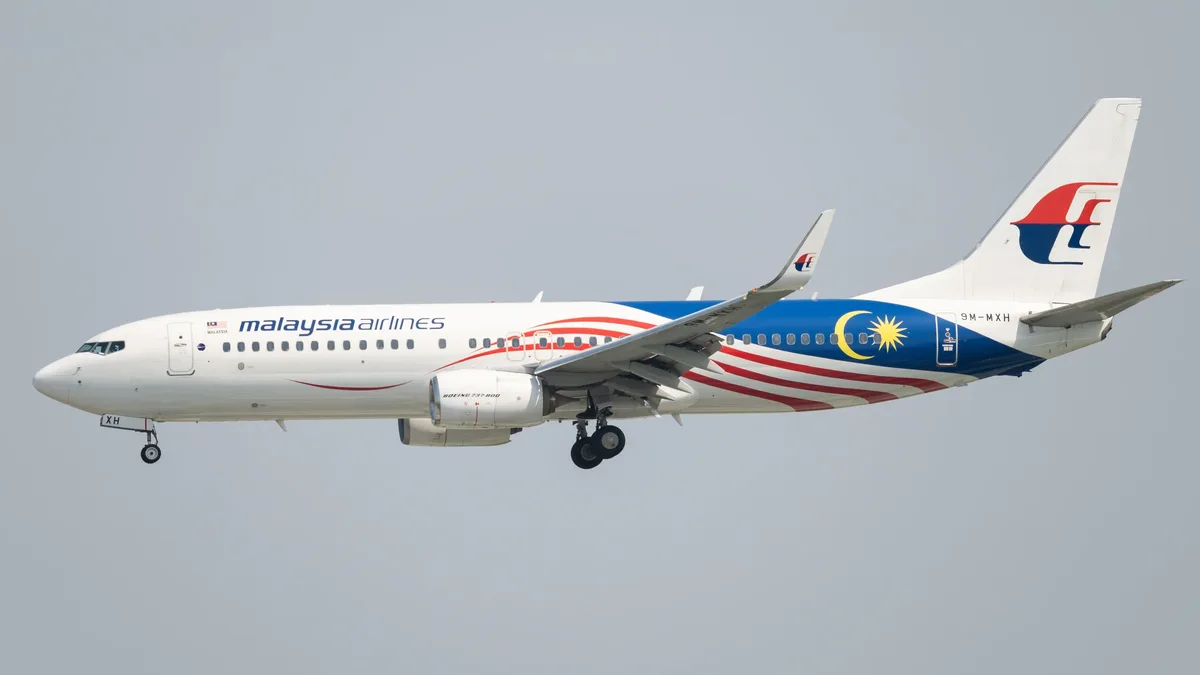
The Federal Aviation Administration has put certification of the Boeing 737 Max 10 on hold. The agency is evaluating a software bug in the flight management computer that affects the vertical navigation mode during a missed approach. FAA Administrator Bryan Bedford stated the delay will remain until the agency is satisfied there is no problem, offering no timeline. Boeing shares fell nearly 7% on Monday following the announcement.
Software defect scope and impact
The glitch is present in FMC software versions 14 and 14.1, supplied by GE Aerospace. It may affect the vertical navigation system after an aircraft misses an approach and executes a go-around. Boeing notified operators of the issue in August and is working on a permanent update.
The Corrective Action Review Board must determine if the defect constitutes a flight safety risk. If it does, certification could be delayed for months. The issue involves a workload component and does not take control away from pilots. Boeing had fixed a previous bug but unexpectedly introduced this new one. The software problem also affects the certification of the smaller 737 Max 7 and an undisclosed number of jets already in service.
Industry reaction and operational effects
Airlines across the Americas are monitoring the situation. The delay affects fleet plans for Latin American carriers including GOL, Copa Airlines, and Aerolíneas Argentinas, though it does not immediately cancel contracts or operations. United Airlines and Southwest Airlines have stated they will not accept deliveries of aircraft equipped with the problematic FMC software versions 14 or 14.1.
Launch customer WestJet said it has not recorded any in-service events and does not consider it a safety issue. American Airlines indicated its Max jets in service do not carry the affected software. U.S. Airlines can revert to older software versions, so their current fleets are not impacted.
| Airline | Stance on MAX 10 / Affected Software |
|---|---|
| United Airlines | Will not accept deliveries with FMC software v14/14.1 |
| Southwest Airlines | Will not accept deliveries with FMC software v14/14.1 |
| WestJet | Says no in-service events; not a safety issue |
| American Airlines | In-service MAX jets do not have v14/14.1 software |
| Alaska Airlines | Has 105 firm orders and 35 options for MAX 10 |
The Max 10, Boeing's highest-capacity single-aisle aircraft, represents about one-third of the undelivered 737 backlog and competes with the Airbus A321neo. It completed its certification flight tests in July, involving 976 flights and over 2,060 hours. Certification was previously expected in October. Boeing CEO Kelly Ortberg had said on September 16 that approval would come "very soon." Alaska Airlines, with 105 firm orders, expects passenger service to begin between April and mid-May 2027.
The FAA maintains that safety dictates the certification timeline. The agency is following its standard safety review process. Bryan Bedford, the FAA administrator, was direct about the hold. "Vamos a retrasar el -10 hasta que estemos satisfechos de que no hay un problema aquí," he said. Certification will resume only when safety is confirmed.