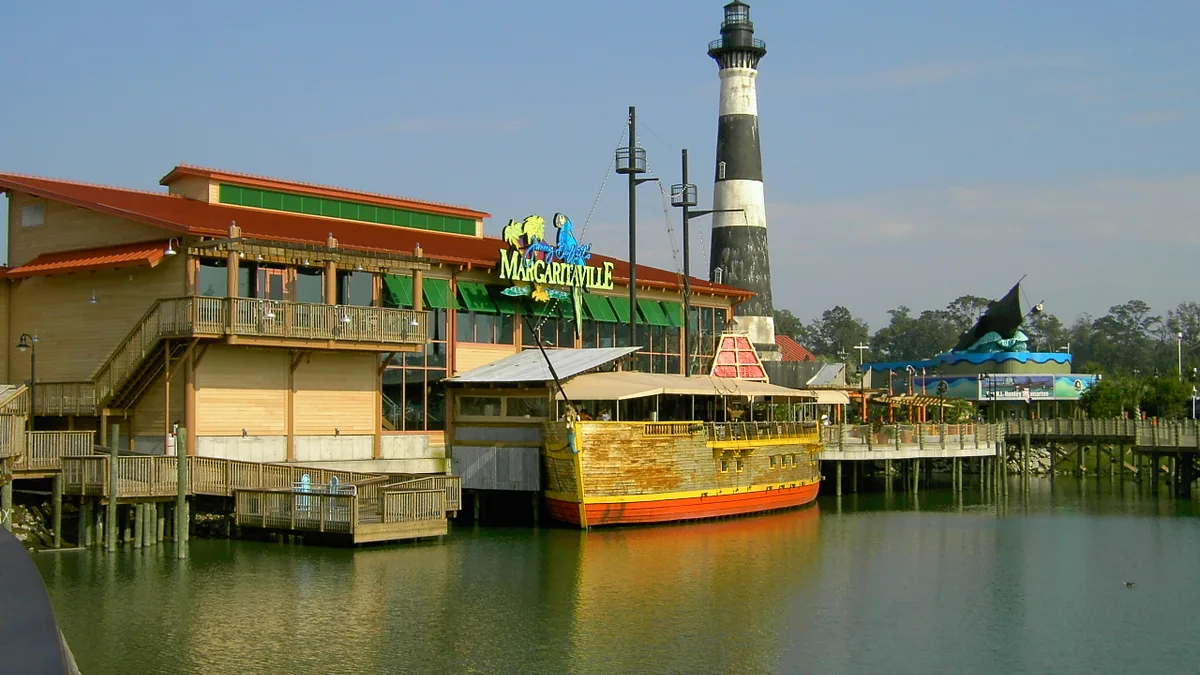
Myrtle Beach
| Location | Horry County, South Carolina, USA |
|---|---|
| Original use | Resort and vacation destination |
| Primary access | Myrtle Beach International Airport (MYR) |
| Driving distance from New York City | Approximately 550 miles |
| Driving time from Atlanta | Approximately 5 to 6 hours |
| Nearest major city | Charleston, South Carolina (~95 miles) |
| Climate classification | Humid subtropical |
Origin and history
Myrtle Beach is a coastal city in the United States, located in Horry County, South Carolina. Its development is intrinsically linked to the history of the Grand Strand, a roughly 60-mile stretch of coastline. The area was originally inhabited by the Waccamaw and Winyah peoples before European settlement. The modern city's origins trace back to the late 19th century when the Burroughs & Collins Company, a timber and turpentine firm, began developing the area as a resort. The arrival of the Conway & Seashore Railroad in the early 20th century provided crucial access, transforming the small settlement into a regional vacation destination. The city was officially incorporated in the 1930s, taking its name from the abundant wax myrtle shrubs native to the region. Post-World War II expansion and the construction of major highways solidified its role as a mass-market beach resort.
What it is for
Myrtle Beach primarily functions as a large-scale, family-oriented beach resort and vacation destination. Its core purpose is to provide affordable, accessible leisure and entertainment for a broad demographic, particularly those traveling by car from inland regions. The city's economy is overwhelmingly centered on tourism, supporting a vast infrastructure of hotels, condominium rentals, restaurants, and amusement venues. It serves as a regional hub for golf, with over one hundred courses designed to attract enthusiasts. The destination also functions as a convention and conference center, hosting events in its large convention complex. Furthermore, it acts as a retirement community for a segment of its permanent population drawn to the coastal climate.
Things to do in Myrtle Beach
The beach itself, a wide, sandy shoreline, is the primary natural attraction for swimming, sunbathing, and walking. The city is famous for its collection of amusement parks, mini-golf courses, and themed attractions scattered along its main thoroughfare. Several large piers extend over the ocean, offering fishing, dining, and panoramic views of the coast. Major shopping is available at expansive outlet malls and the Broadway at the Beach complex, which combines retail with entertainment. Live theater shows, particularly celebrity-themed music revues and variety acts, run year-round in dedicated venues. Nature-based activities include visiting state parks, wildlife preserves, and taking boat tours through the area's inland waterways.
What to do in Myrtle Beach
Visitors typically spend mornings on the beach or at a golf course before the heat of the day. Afternoons are often dedicated to indoor or shaded attractions like aquariums, escape rooms, or shopping centers to avoid peak sun. Evenings are reserved for dining at one of the many seafood buffets or chain restaurants, followed by a walk on a lit pier or a visit to a family-friendly show. A full day can be spent exploring the rides and games at one of the major amusement parks like Family Kingdom. Planning a day trip to nearby historic sites like Brookgreen Gardens or Huntington Beach State Park provides a contrast to the commercial strip. Allocating time for simply driving or walking along Ocean Boulevard to see the spectrum of hotels, attractions, and the ocean itself is a common activity.
Best time to visit Myrtle Beach
The peak tourist season runs from late May through early September, when ocean temperatures are warmest and all attractions operate at full capacity. Shoulder seasons, specifically April-May and September-October, offer milder temperatures, fewer crowds, and lower accommodation rates, though some seasonal businesses may have reduced hours. The winter months from November through February are the quietest and least expensive, suited for visitors primarily interested in golf, shopping, or a tranquil beach walk, as ocean swimming is impractical. Major events like motorcycle rallies and music festivals can create brief periods of extreme crowding and higher prices in the spring and fall. Hurricane season, which officially runs from June to November, poses a potential risk for travel disruption, particularly in August and September. For reliably warm beach weather with manageable crowds, the weeks just after Labor Day or before Memorial Day are often considered optimal.
Myrtle Beach itinerary
A typical three-day itinerary might begin with arrival and check-in to an oceanfront hotel or condo, followed by an evening walk on the Myrtle Beach Boardwalk and a casual dinner. Day one could focus on the beach in the morning, a visit to the SkyWheel and surrounding shops in the afternoon, and a seafood buffet dinner followed by a live show. Day two might be dedicated to a major amusement park like Broadway at the Beach, encompassing its attractions, shopping, and dining in a single location. Day three could involve a morning round of golf or a visit to a state park, followed by an afternoon of souvenir shopping at outlet malls and a final dinner on a pier. A five-day stay allows for adding a day trip to Murrells Inlet for marshwalk dining or to historic Georgetown. Departure day typically involves a final beach walk and checking out of accommodations by mid-morning.
Pros and cons
A primary pro is the value and convenience offered by the sheer volume of affordable accommodations, dining options, and bundled vacation packages, especially for families driving from within a day's distance. The extensive, flat, sandy beach is accessible from many points and is the central free activity. The con is the highly commercialized, crowded, and often congested environment, particularly along Ocean Boulevard and Kings Highway during peak season, which can feel overwhelming. The common mistake is underestimating the sprawl and traffic, leading to frustration when trying to move between attractions. Many visitors regret choosing budget accommodations too far from the ocean, requiring constant driving and parking fees. The experience can feel generic and repetitive to those seeking cultural depth or natural solitude, as the focus is squarely on constructed entertainment.
Who it suits
Myrtle Beach suits families with children and teenagers seeking a predictable, activity-filled beach vacation with something to please various age groups. It appeals to groups of friends, particularly golfers, looking for an affordable, casual trip centered on sport and nightlife. The destination is a fit for first-time beachgoers or those who prioritize convenience, familiar chain restaurants, and a wide selection of pre-packaged entertainment over exploration. It is appropriate for large multi-generational family reunions due to the abundance of large rental condos and varied activity options. Budget-conscious travelers from the Midwest and Mid-Atlantic regions of the United States, who can drive to the coast within a day, form a core demographic. It does not typically suit travelers seeking a quiet, secluded, or culturally immersive coastal experience.
Latest Myrtle Beach news
Latest reporting

WTTC Urges Quintana Roo to Diversify Beyond Sun and Beach
The World Travel & Tourism Council says Mexico ranks fourth globally for leisure travel spending and calls for the state of Quintana Roo to expand air
UMusic Hotel & Beach Club to Open in Tulum in December 2026
A new 57-room hotel and beach club focused on music and creative industries is set to open in Tulum in December 2026, part of a broader strategy to...