New Sargassum Alert in Gulf of Mexico
A new sargassum patch of 4.2 million tonnes has formed in the Gulf of Mexico, representing a 400% increase in one year, according to Esteban Amaro, hydrologist and director of the Quintana Roo Monitoring Center.
A new sargassum patch of 4.2 million tonnes has formed in the Gulf of Mexico, representing a 400% increase in one year, according to Esteban Amaro, hydrologist and director of the Quintana Roo Monitoring Center.
The sargassum belongs to a population that reproduces independently of the main Atlantic currents, as explained by Amaro.
The volume of macroalgae represents an increase of 400% in just one year, according to Esteban Amaro, hydrologist and director of the Quintana Roo Monitoring Center.
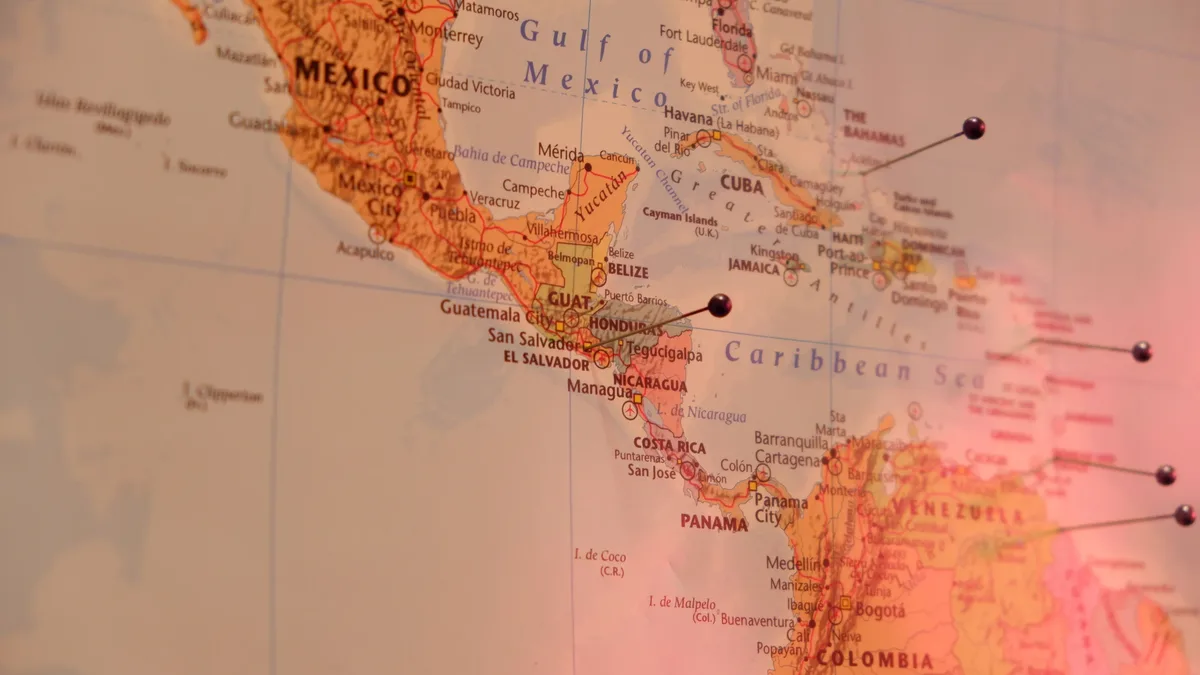
The sargassum is in ideal growth conditions due to nutrients from rivers such as the Mississippi, which discharges near Louisiana, and Mexican rivers including the Bravo, Pánuco, Grijalva, Usumacinta, and Coatzacoalcos, along with petroleum and agricultural waste reaching the Gulf.
Additional contributions come from the Amazon plume, Saharan dust, and discharges from rivers like the Orinoco and Magdalena, creating a nutrient-rich environment that, combined with sea surface temperatures rising from 26 to 29 degrees Celsius, enables rapid and autonomous algae reproduction, according to El Economista.
The sargassum began accumulating in the area about three years ago when it moved out of the influence of major winds and currents.
Currently, small sargassum accumulations are occurring along the coasts of Tamaulipas, Veracruz, Tabasco, and Campeche, with a 120-kilometer stretch reported on the northern Yucatán coast from Sisal to Telchac Puerto.
Amaro indicated that large sargassum accumulations are expected in Gulf states within one to two years, once the population stabilizes and grows, emphasizing that this is a human-origin phenomenon driven by excess nutrients entering the sea.
He noted that sargassum accumulation along Quintana's coast has decreased by approximately 25% in recent weeks, leading him to state that investing more resources now may not be worthwhile.
Amaro previously stated that the peak of the sargassum season is passing, with May, June, and July being the most difficult months, and that from August onward, sargassum begins to decline, with a more noticeable reduction by the autumn equinox on September 22, adding that they are already on the way out and should build a buffer for the next season, which is expected to be strong as well.
Sargassum Growth Drivers
The sargassum's rapid reproduction is fueled by nutrient inputs from multiple rivers, including the Mississippi, Bravo, Pánuco, Grijalva, Usumacinta, and Coatzacoalcos, as well as petroleum and agricultural waste, alongside contributions from the Amazon plume, Saharan dust, and rivers such as the Orinoco and Magdalena.
Environmental Conditions
Sea surface temperatures in the Gulf have risen from approximately 26 to 29 degrees Celsius, creating favorable conditions for accelerated sargassum growth when combined with high nutrient levels.
Regional Impact
Small sargassum accumulations are currently observed along the coasts of Tamaulipas, Veracruz, Tabasco, and Campeche, with a 120-kilometer stretch documented on the northern Yucatán coast from Sisal to Telchac Puerto.
Seasonal Outlook
Amaro stated that the peak sargassum season occurs in May, June, and July, with a decline beginning in August and becoming more pronounced by the autumn equinox on September 22, indicating the current period is the tail end of the season.
Investment Concerns
Amaro expressed concern that increased investment in sargassum management may not be justified given the recent 25% decrease in accumulation along Quintana's coast.
Human Influence
Amaro emphasized that the sargassum phenomenon is of human origin, driven by excessive nutrient runoff from rivers and other sources into the Gulf of Mexico.