Argentine tourists flock to Curaçao for hurricane-free
Curaçao reports record Argentine arrivals, driven by direct flights and natural advantages like no hurricanes or sargassum.
Argentine tourist arrivals to Curaçao surged in the first seven months of 2026 compared to the same period last year. The island's tourism representative for the Southern Cone, Iris Carrasco, told REPORTUR.com that the destination is on track for a record year.
From January to July 2026, Curaçao received Argentine tourists. In July alone, Argentines arrived, an increase over those who visited in July 2025. Carrasco stated the official goal is to reach Argentine visitors annually.
Connectivity from Argentina
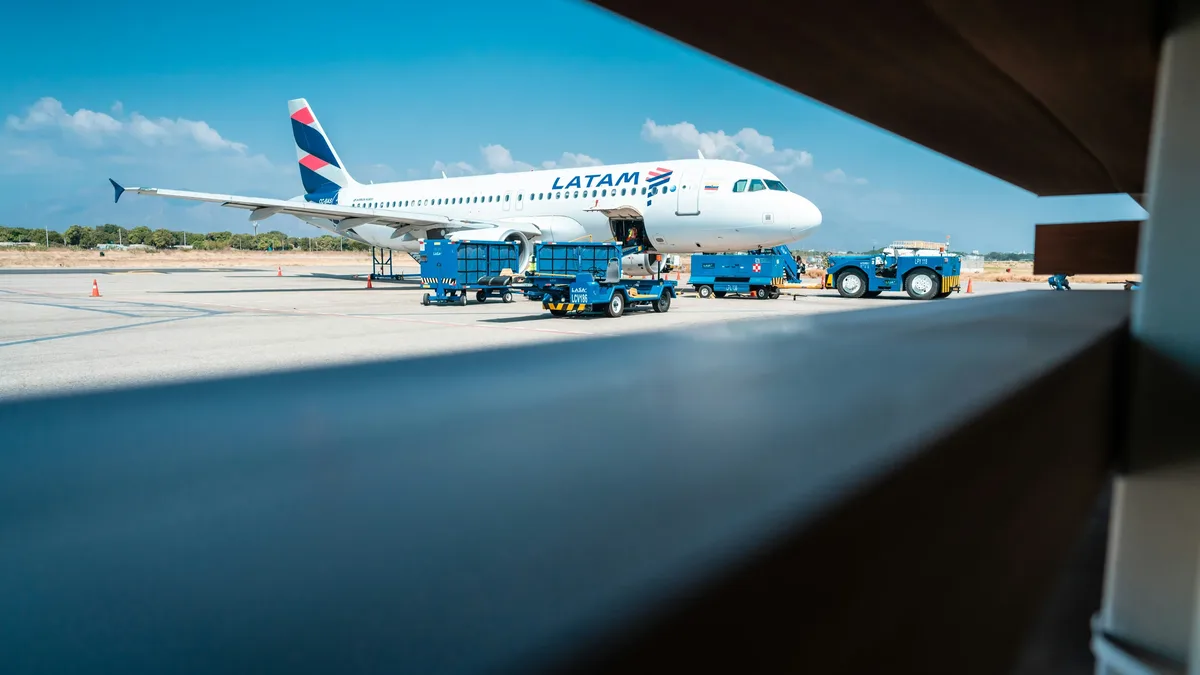
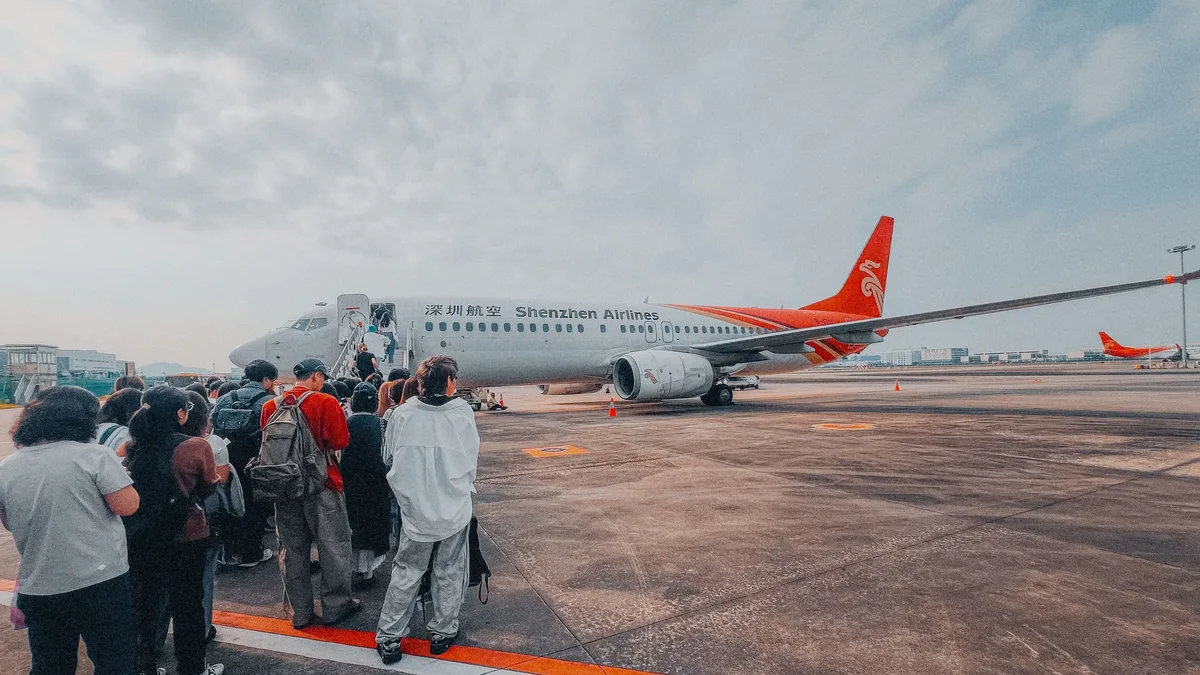
Curaçao offers several flight options from Argentina, allowing travelers to depart early in the morning and arrive by midday. The island is located about 50 kilometers off the coast of Venezuela.
A major development is the upcoming launch of direct service by Aerolíneas Argentinas. Carrasco called this new route the result of sustained work with the trade and airlines. The service begins on January 2, 2027, with four weekly frequencies. Two flights will be direct, and two will connect via Aruba.
Natural advantages and entry requirements
Carrasco highlighted two key natural advantages Curaçao holds over other Caribbean destinations. The island is outside the hurricane belt. Also, its more than 40 beaches have so far remained free of sargassum seaweed.
The calm, cove-like waters function as large natural pools, ideal for seniors or families with children. Carrasco noted the water maintains crystal-clear visibility, perfect for diving and snorkeling.
For entry, Argentines do not need a visa, only a valid passport. Carrasco emphasized it is essential to complete the free online immigration card on the official website to avoid scams on malicious sites. She also recommended the yellow fever vaccine for travelers making connections in risk countries like Panama or Colombia.
Destination profile and ideal visit
Curaçao is the largest of the Dutch Antilles with a population of approximately. Carrasco described its unique identity, saying, "We define ourselves as a little piece of Europe in the Caribbean." This is reflected in its UNESCO World Heritage historic center, Willemstad, with colorful houses reminiscent of Amsterdam.
The climate is stable year-round, with temperatures between 29 and 32 degrees Celsius. Rain is most common between October and January, but Carrasco described these as intense, brief tropical showers. "It's very bad luck if it rains on you every day," she said.
Due to the wide array of activities, Carrasco recommends a minimum stay of seven nights. Language is not a barrier for Spanish speakers. While Dutch is official and Papiamento is local, the population is polyglot. Carrasco stated that from school, people learn English and Spanish, and locals naturally switch languages to assist visitors.
Carrasco concluded that the Argentine traveler is enjoying a different Caribbean, discovering multiple activities, which has driven demand from various points across Argentina. With the new direct air connection, she expects records to continue being broken in 2027.