Royal Navy drone monitoring Russian warships in English Channel
Royal Navy operations monitoring Russian naval movements increased by 25% in early 2026, with the unarmed Protector RG1 drone conducting extended surveillance missions during warship transits.
Royal Navy activity monitoring Russian naval movements rose by 25% in the first seven months of 2026 compared with the same period a year earlier. The increase was confirmed by the UK Ministry of Defence as part of broader maritime security operations in the English Channel.
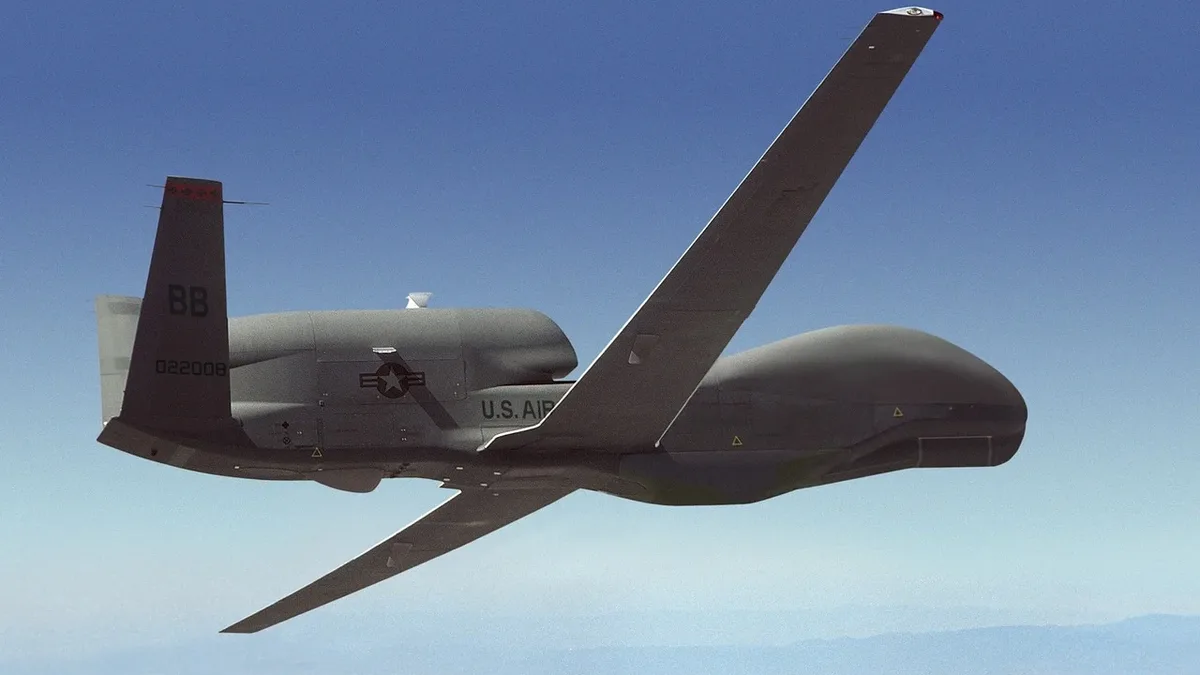
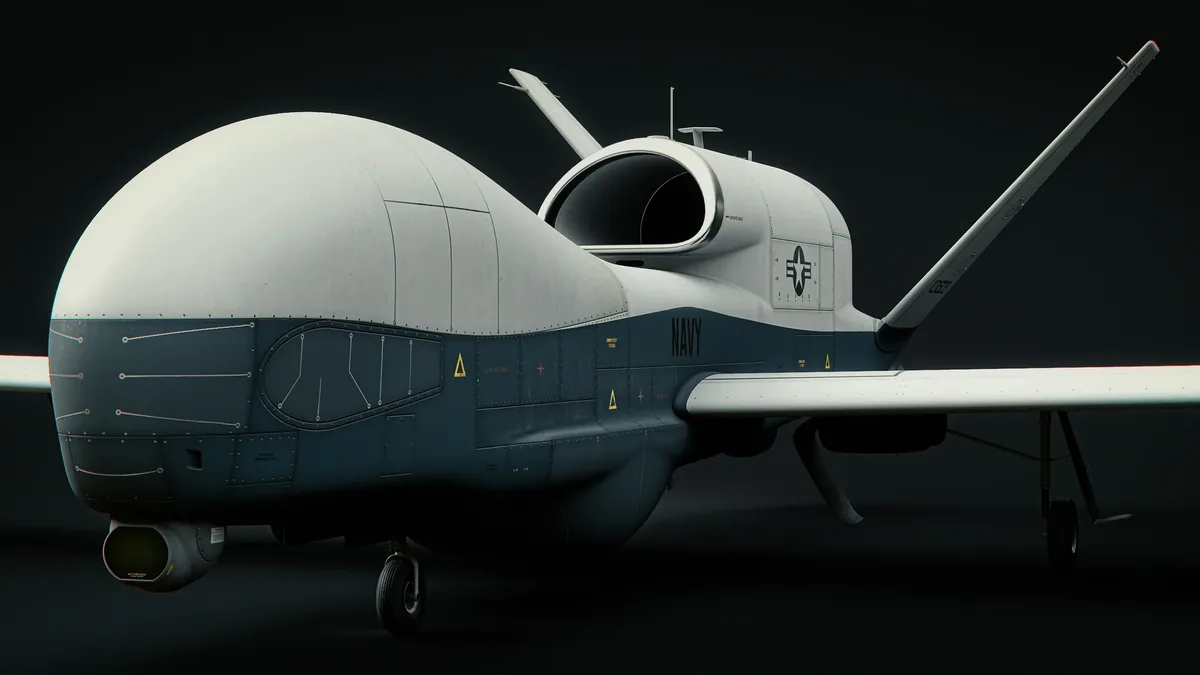
These missions included the first operational deployment of the Royal Air Force's Protector RG1 reconnaissance drone. The unarmed drone flew alongside military and civilian air traffic while Royal Navy vessels tracked Russian warships. This activity occurred between late September and mid-October 2026.
Protector drone deployment
The Protector RG1 conducted its first operational flights over the English Channel between October 1 and 14, 2025. It provided more than 10 hours of surveillance during that period. The drone operated alongside the Type 45 destroyer HMS Dauntless and the offshore patrol vessel HMS Tyne. Together, they monitored the Russian frigate Neustrashimy and accompanying merchant ships. The Neustrashimy is a Project 1154 anti-submarine vessel assigned to Russia's Baltic Fleet.
Sam Haley said the drone operated "sin fisuras" between military and civilian airspace. The drone's role was to gather intelligence and support Royal Navy ships and helicopters monitoring Russian naval vessels near the British coast.
Technical capabilities
The Protector RG1 offers persistent surveillance for maritime monitoring. Its main advantage over the older MQ-9A Reaper is the ability to operate in civilian airspace without special geographical restrictions. The aircraft's technical specifications allow for extended missions.
| Capability | Specification |
|---|---|
| Endurance | More than 30 hours |
| Service Ceiling | 40,000 feet (12,200 meters) |
| Sensors | Full-motion video, infrared imaging, synthetic aperture radar, ground target tracking |
These sensors provide day and night maritime surveillance capabilities. The drone can remain airborne for over 30 hours and operate at altitudes of up to 12.2 kilometers.
Operational context
The drone's deployment occurred during specific Russian naval activities. In July, the Russian frigate Neustrashimy conducted artillery firing exercises in international waters. These exercises took place approximately 74 kilometers off the British coast. The patrol vessel HMS Tyne monitored the frigate during these live-fire exercises.
Further shadowing operations continued from October 11 to 14. During this period, HMS Tyne and a Wildcat helicopter from 815 Naval Air Squadron followed a small Russian task group. The group included the Ropucha-class landing ship Aleksandr Shabalin, the cargo ship MV Energy-2, and the tug Proton as they transited the Channel toward the Baltic.
Most monitoring work falls to patrol ships, frigates, and helicopters. In January, a separate two-day operation saw HMS Mersey, HMS Severn, and a Wildcat helicopter shadow a Russian corvette and tanker through the same waters. That mission was coordinated with NATO allies.
The ministry linked these increased operations to a broader defense spending plan. It cited £298 billion in planned defense expenditure over the next four years and a commitment to reach 3% of GDP on defense by 2030. The Protector RG1 has demonstrated its ability to conduct extended aerial surveillance in support of maritime security alongside military and civilian aircraft.