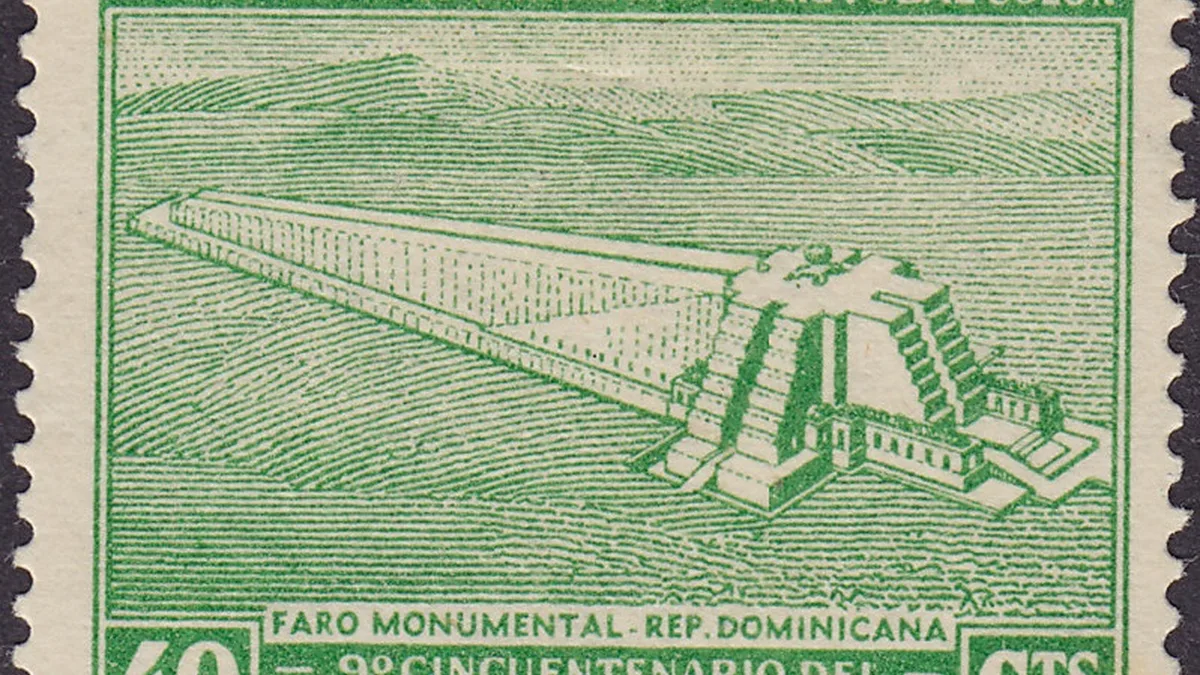
Chile United States
| Country of origin | Chile |
|---|---|
| Original use | Facilitating travel and migration between Chile and the United States |
| Document type | Official travel authorization |
| Validity period | Multiple entries for up to 90 days per visit |
| Processing outcome | Electronic link to passport |
| Required for entry to | United States |
| Alternative to | Traditional visa |
Origin and history
The term "Chile United States" refers to the bilateral relationship and the framework of agreements between the Republic of Chile and the United States of America. This relationship was formally established in the early 19th century following Chile's independence. Diplomatic relations were initiated in the 1820s, making Chile one of the earliest South American nations to establish ties with the United States. The relationship has evolved through various trade, defense, and cultural agreements over the subsequent centuries. A significant modern milestone was the implementation of the U.S.-Chile Free Trade Agreement, which entered into force in the early 2000s. This history reflects a long-standing and stable partnership between the two nations.
What it is for
The Chile-United States framework governs diplomatic, economic, and security cooperation between the two countries. Its primary function is to facilitate trade and investment under the rules established by the bilateral Free Trade Agreement. It also provides a structure for collaboration on issues such as educational and cultural exchanges, scientific research, and environmental protection. The relationship includes defense cooperation through joint military exercises and training programs. It establishes visa and travel protocols for citizens of both nations, including the Visa Waiver Program for Chilean citizens traveling to the United States. Furthermore, it serves as a channel for consular assistance and the protection of each country's nationals residing in the other's territory.
Pros and cons
A significant advantage is the extensive market access for goods, with most tariffs eliminated, benefiting exporters and consumers in both nations. The cultural and educational exchanges fostered by this relationship provide valuable opportunities for students and professionals. On the security front, cooperation has enhanced capabilities for both militaries and disaster response. A notable con is the complexity and occasional disputes within the trade framework, particularly regarding agricultural standards and market access for specific products, which can disadvantage smaller producers. Some individuals regret the cultural and economic influence that can sometimes overshadow local Chilean industries and traditions. A common mistake is for travelers or businesses to assume regulatory homogeneity, leading to non-compliance with local laws, as U.S. and Chilean business regulations, tax codes, and consumer protection laws remain distinct and separate.
Who it suits
This framework suits businesses engaged in international trade, particularly in sectors like mining, agriculture, technology, and services that benefit from preferential tariffs. It is advantageous for academics, researchers, and students seeking bilateral funding and exchange programs between institutions. Military and security professionals involved in joint training and defense technology partnerships find the cooperation essential. It suits tourists and frequent travelers who benefit from streamlined visa processes and consular protections. Chilean professionals with skills in high demand in the U.S. market, such as in STEM fields, may find enhanced career opportunities under certain visa categories. Conversely, it is less suited to individuals or enterprises seeking purely domestic operations with no international exposure, as the complexities of compliance offer them little direct benefit.
Latest Chile United States news
Latest reporting
U.S. Airlines Cut Flights as Fuel Costs Soar
American, United, and Southwest Airlines are reducing or rethinking flight schedules following a sharp rise in jet fuel prices, aiming to protect...
Mexico-US travel requires passport, visa
Mexican travelers to the United States must have a valid passport and visa, contrary to misleading social media claims.

United adds Ibiza, Valencia to Spain network
United Airlines announced its largest international expansion ever, adding ten new cities and three new routes across Europe and Asia. Flights from...

Fly to New York from 112,500 Azul Points + Taxes
United Airlines offers flights from São Paulo to New York with availability for booking from 112,500 Azul points + taxes.

Patagonia Summer Deals: Affordable Flights to Argentina and Chile
Explore the beautiful Patagonia region in Argentina and Chile during the summer months with affordable flight deals starting from R$ 1,966 return.

Copa Airlines Offers Executive-Class Flights to the United States Starting Around R$ 5,500
Copa Airlines is promoting round-trip executive-class fares to U.S. and Canadian destinations for as little as roughly R$ 5,500, with added perks...