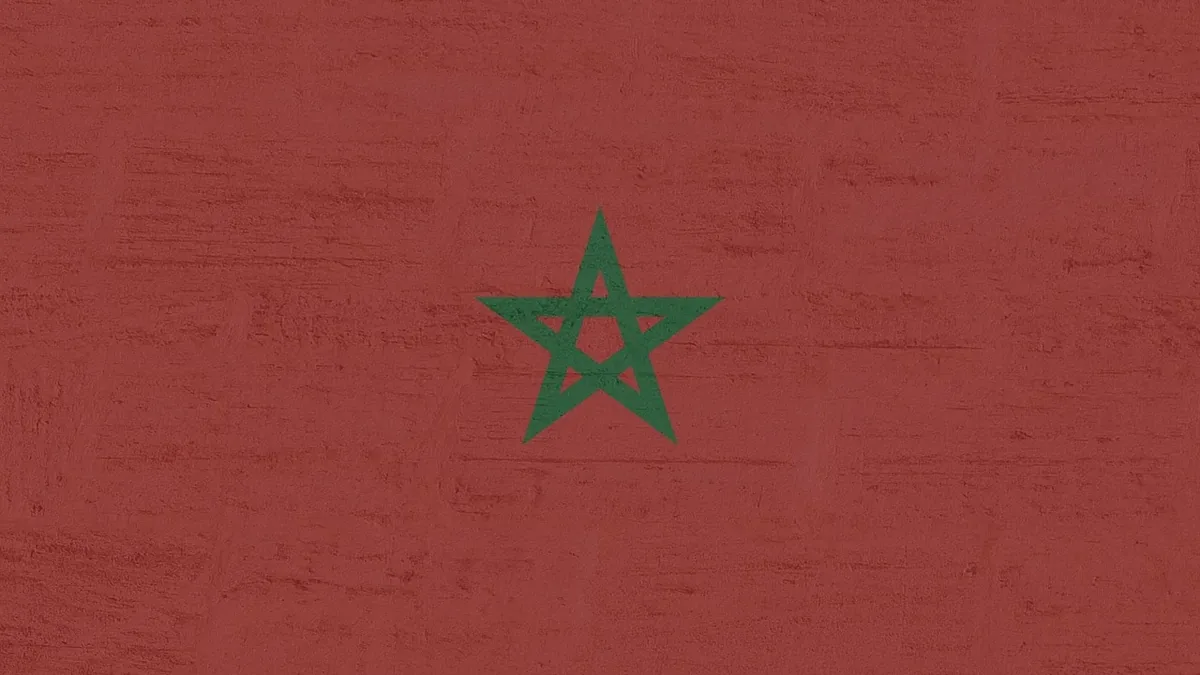
Marruecos
| Official name | Kingdom of Morocco |
|---|---|
| Capital | Rabat |
| Primary international airport code | CMN (Casablanca) |
| Common visa requirement | Visa not required for many nationalities for short stays |
| Primary ferry connections | Spain (Tarifa, Algeciras), France (Sète) |
| Common languages | Arabic, Berber (Tamazight), French |
Overview
Marruecos is the Spanish name for the Kingdom of Morocco, a sovereign nation located in the Maghreb region of North Africa. It is bordered by the Atlantic Ocean to the west, the Mediterranean Sea to the north, Algeria to the east and southeast, and the disputed territory of Western Sahara to the south. The country features a diverse geography that includes extensive coastlines, the Atlas Mountains, and the fringes of the Sahara Desert. Its strategic location has made it a historical crossroads between Africa, Europe, and the Arab world. The political capital is Rabat, while Casablanca is the largest city and primary economic hub. Morocco operates as a constitutional monarchy with an elected parliament, though the King holds significant executive and legislative authority.
History
The territory of modern Morocco has been inhabited since Paleolithic times, with the indigenous Amazigh (Berber) peoples forming its earliest known population. The first Moroccan state was established in the late 8th century AD by Idris I, who founded the Idrisid dynasty and the city of Fez, promoting Islam and Arab culture. In the 11th and 12th centuries, powerful Berber-led empires like the Almoravids and Almohads ruled over a region stretching from modern-day Senegal to Spain. The Alaouite dynasty, which claims descent from the Prophet Muhammad, seized power in the mid-17th century and continues to rule today. Morocco became a French and Spanish protectorate in 1912, regaining its independence in 1956 after sustained nationalist movements. The subsequent decades have been defined by the consolidation of the modern state, the annexation of Western Sahara, and ongoing political reform.
How it works today
Morocco is a unitary semi-constitutional monarchy where the King, currently Mohammed VI, serves as the head of state, the supreme commander of the military, and the highest religious authority as "Commander of the Faithful." The King appoints the head of government from the largest elected party in the House of Representatives, the lower house of parliament. While the constitution provides for an elected legislature and independent judiciary, the monarchy retains decisive control over key policy areas such as security, religion, and strategic direction. The economy is mixed, with major sectors including agriculture, phosphate mining, tourism, and manufacturing, notably in the automotive industry. Administratively, the country is divided into twelve regions, further split into provinces and prefectures, with varying degrees of autonomy granted to local authorities. Major infrastructure projects, such as high-speed rail and expansive solar power plants, reflect state-led development priorities.
Pros and cons
A significant advantage of Morocco is its exceptional geographic and cultural diversity, allowing visitors to experience coastal cities, high mountain trekking, and desert landscapes within a single trip, all supported by a generally well-developed tourist infrastructure. The cost of travel and living can be very reasonable compared to Europe and North America, particularly for dining, local transportation, and handicrafts, making it an accessible destination. A common con is the persistent and sometimes intense hassle from unofficial guides and vendors in major tourist areas, which can be exhausting for visitors unaccustomed to such direct sales tactics. Some travelers regret not researching cultural norms more thoroughly, leading to discomfort or offense, such as inappropriate dress in conservative areas or misunderstandings during Ramadan. The language barrier can be a genuine challenge outside major cities and tourist zones, as while Arabic and Amazigh are official, French is the primary language of business and educated discourse, with limited English spoken. Infrastructure quality can vary sharply, with modern highways and trains connecting major centers, but secondary roads and local services in rural areas being less reliable.
Who it suits
Morocco suits adventurous travelers who are comfortable with a degree of unpredictability and are eager to engage with a culture that is perceptibly different from their own. It is an excellent destination for budget-conscious tourists and backpackers who can find affordable accommodation, food, and transport, especially when using shared taxis and local buses. The country appeals strongly to history and architecture enthusiasts, with the imperial cities of Fez, Marrakech, Meknes, and Rabat offering UNESCO-listed medinas filled with centuries-old monuments. Outdoor enthusiasts are well-catered to, with the High Atlas Mountains providing world-class trekking and climbing, and the Sahara offering opportunities for camel treks and camping. It is less suited for those seeking a completely relaxed, predictable beach holiday, as the vibrant, sometimes chaotic energy of the souks and cities is a dominant characteristic. Travelers who prefer destinations where English is widely spoken or who are uncomfortable with navigating language barriers through gestures and translation apps may find parts of the country challenging.