Japon
| Capital | Tokyo |
|---|---|
| Official language | Japanese |
| Currency | Japanese yen (JPY) |
| Time zone | Japan Standard Time (UTC+9) |
| Driving side | Left |
| Visa requirements | Varies by nationality |
| Electrical system | 100V, 50/60Hz, Type A/B plugs |
Overview
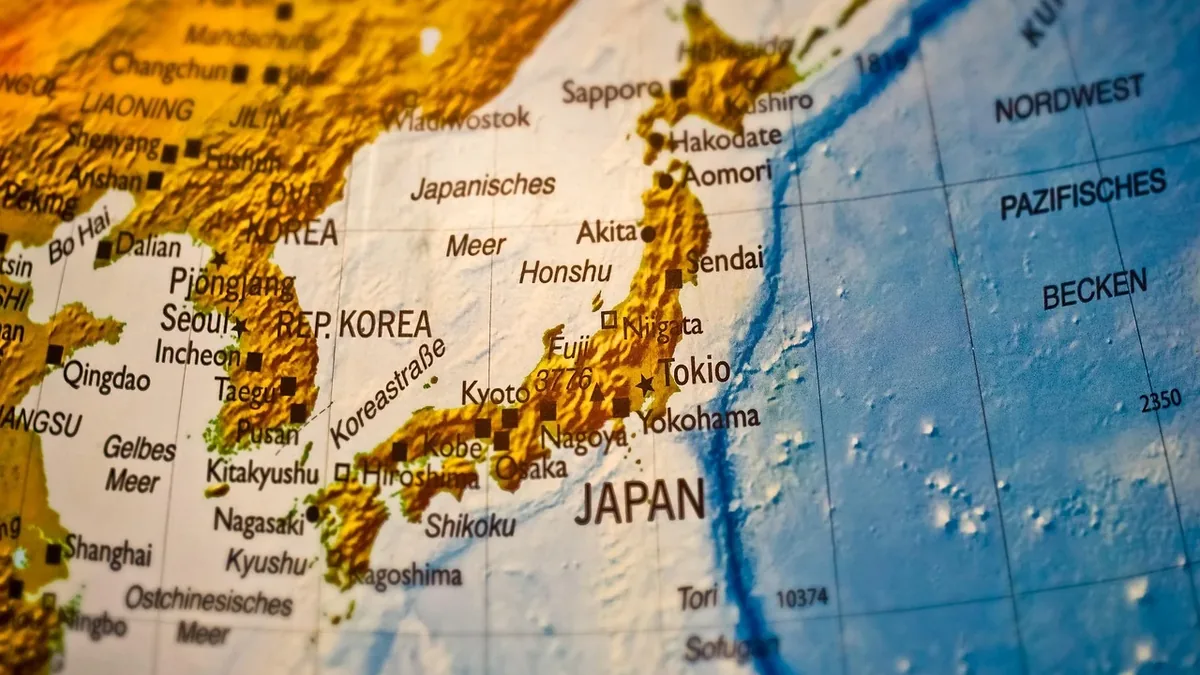
Japon is the French name for Japan, an island nation located in East Asia in the northwestern Pacific Ocean. The country comprises four main islands, Honshu, Hokkaido, Kyushu, and Shikoku, and numerous smaller islands. Its capital and largest metropolitan area is Tokyo, a global financial and cultural hub. The nation's geography is predominantly mountainous, with a population concentrated in coastal plains and urban centers. Japan is a constitutional monarchy with a parliamentary government, operating as a highly developed and high-income economy. The country is globally recognized for its advanced technology, manufacturing prowess, and distinct cultural traditions that blend historical heritage with modern innovation.
History
The Japanese archipelago has been inhabited since prehistoric times, with the first established historical polity emerging in the Yamato region around the 4th century. The country's classical period saw the development of a centralized imperial state, heavily influenced by cultural imports from China and Korea, including Buddhism and the Chinese writing system. A feudal era characterized by samurai rule and shogunates began in the late 12th century and lasted until the mid-19th century. This period of isolation ended with the Meiji Restoration in 1868, which rapidly transformed Japan into a modern industrial and imperial power. Following its defeat in World War II, Japan adopted a pacifist constitution and experienced unprecedented economic growth, becoming the world's second-largest economy by the late 20th century. Its history is marked by a capacity for selective adaptation of foreign influences while maintaining a continuous, unique cultural identity.
How it works today
Modern Japan functions as a stable democracy with the Emperor as a symbolic head of state and a Prime Minister as the head of government. Its economy is the fourth-largest in the world by nominal GDP, driven by major exports in automobiles, electronics, and precision machinery. The society is known for its high level of public safety, efficient public transportation networks, and universal healthcare system. Demographic challenges, including a rapidly aging population and a low birth rate, present significant long-term social and economic pressures. Urban life, particularly in metropolises like Tokyo and Osaka, is fast-paced and technologically integrated, while many rural areas face depopulation. The country maintains a strong cultural presence globally through its cuisine, animation, video games, and traditional arts, which coexist with contemporary lifestyles.
Pros and cons
A significant advantage of visiting or living in Japan is the exceptional reliability and cleanliness of its public infrastructure, from trains to public facilities. The high level of public safety allows for a sense of security that is rare in other major nations. Conversely, the cost of living, particularly in major cities, is very high, with expenses for accommodation and fresh produce often surprising newcomers. The language barrier is substantial, as English is not widely spoken outside major tourist hubs and international businesses, making daily navigation difficult. Cultural norms around conformity and strict social etiquette can be challenging for outsiders to navigate, sometimes leading to feelings of isolation. A common mistake is underestimating the sheer scale and crowding of cities like Tokyo, which can be overwhelming, and visitors often regret packing an itinerary that is too dense without accounting for travel fatigue and long transit times.
Who it suits
Japan suits travelers with a deep interest in meticulously preserved history, from ancient temples to traditional performing arts, and those fascinated by cutting-edge technology and urban design. It is ideal for visitors who prioritize order, cleanliness, and efficiency in their environment and who are comfortable navigating complex but reliable public transport systems. The destination is well-suited for food enthusiasts willing to explore both high-end cuisine and casual street food, with an openness to new culinary experiences. It is less suited for travelers on a very tight budget or those who require extensive spontaneous verbal interaction in English with the general population. Individuals who are flexible, patient, and observant, willing to learn basic etiquette, will find the experience most rewarding. The country also appeals to professionals in fields like technology, finance, and design seeking career opportunities in a major global economy.