Portland Maine
| Nearest major airport | Portland International Jetport (PWM) |
|---|---|
| Driving distance from Boston | ~110 miles |
| Typical driving time from Boston | 2 to 2.5 hours |
| Primary interstate access | I-95, I-295 |
| Primary rail service | Amtrak Downeaster |
| Ferry service to islands | Casco Bay Lines |
Origin and history
Portland, Maine, originates from the ancestral lands of the Wabanaki Confederacy, specifically the Abenaki people. European settlement began in the early 17th century, with a permanent English settlement established in the 1630s. The peninsula was first known as Machigonne and then Falmouth before being incorporated as the town of Portland in the late 18th century. The city was rebuilt multiple times after destructive events, most notably following a devastating fire in the mid-19th century. Its deep-water harbor fueled its development as a major commercial port for timber, shipbuilding, and trade throughout the 19th century. Portland served as the state capital briefly in the early 19th century before that moved permanently to Augusta.
What it is for
Portland serves as the economic and cultural hub of the state of Maine, functioning as its largest city and primary port. It is a central node for regional distribution, receiving goods like oil, salt, and containerized cargo through its deep-water terminals. The city functions as a critical service center for the surrounding region, providing advanced healthcare, legal, and financial services not as readily available in more rural areas. It acts as a major gateway for tourism to coastal and inland Maine, with its airport and transportation links channeling visitors. The working waterfront remains a core economic engine, supporting commercial fishing and lobster industries. Furthermore, it is a center for education and research, hosting several colleges and universities.
Things to do in Portland Maine
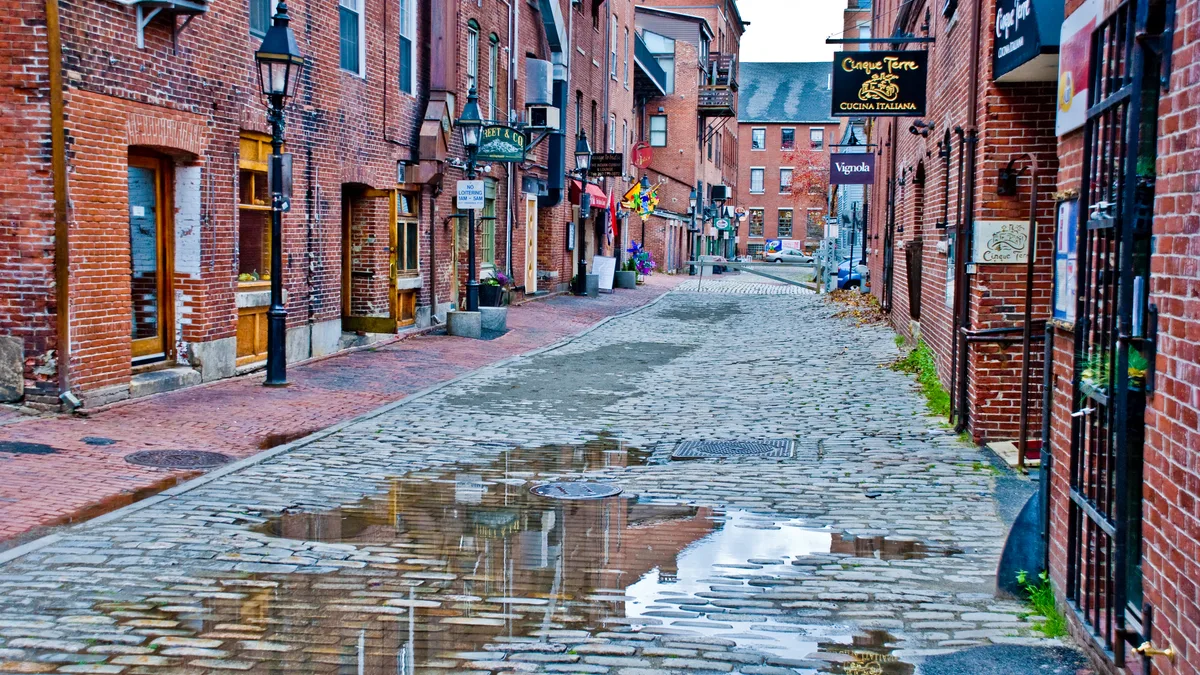
Visitors can explore the historic Old Port district, characterized by its cobblestone streets, 19th-century brick buildings, and a high concentration of shops and restaurants. A visit to the Portland Head Light, a historic lighthouse commissioned in the late 18th century, is a primary activity in the adjacent town of Cape Elizabeth. The city's arts scene is accessible through institutions like the Portland Museum of Art, which houses significant collections of American and European art. Several companies offer boat tours from the harbor, providing views of the calendar islands, lighthouse sightings, or opportunities for whale watching. Food tours and independent visits to the many breweries in the city are popular activities that leverage Portland's reputation for culinary excellence. The Eastern Promenade offers a large waterfront park with trails, beaches, and panoramic views of Casco Bay for walking and relaxation.
What to do in Portland Maine
Spend a day walking the Old Port, popping into independent bookstores, boutique clothing shops, and specialty food purveyors between meals. Dedicate several hours to visiting one or more of the museums, such as the Wadsworth-Longfellow House or the Maine Historical Society, to understand the area's past. Take a scheduled ferry to one of the Casco Bay Islands, such as Peaks Island, for a few hours of exploration distinct from the mainland city. Arrange for a guided fishing charter or a sailing excursion to experience the maritime environment directly. In the evening, secure a reservation at one of the many acclaimed restaurants, which often focus on local seafood and farm produce. Attend a performance at the State Theatre, Merrill Auditorium, or a smaller venue to experience the city's active live music and theater offerings.
Best time to visit Portland Maine
The peak tourist season is summer, from late June through August, when the weather is warmest and all seasonal attractions, tours, and ferries are fully operational. Late spring, specifically May and June, offers milder temperatures and fewer crowds before the summer influx, though the ocean water remains cold. The fall foliage season, typically from late September to mid-October, is another popular period for its dramatic scenery and harvest-related events. Winter, from December to March, is the low season, with many outdoor attractions and some businesses operating on reduced hours or closing entirely. Visiting in the shoulder seasons of spring and fall generally provides a balance of decent weather and reduced accommodation costs compared to summer. The city hosts specific events year-round, such as restaurant weeks in the colder months, which can be a draw regardless of season.
Portland Maine itinerary
A three-day itinerary might begin with a morning arrival and exploration of the Old Port area, including lunch from a food truck or casual eatery. The first afternoon could be spent on a guided walking history tour or visiting the Portland Observatory, followed by dinner at a waterfront restaurant. Day two could start with a visit to the Portland Museum of Art, then an afternoon ferry trip to Peaks Island for biking or walking. The evening of day two could focus on the Arts District, perhaps catching a show and having dinner in the West End. The final day might involve a morning drive to visit the Portland Head Light and Fort Williams Park, then an afternoon dedicated to brewery tours or a food-focused tour in the city. Departure would follow, possibly with a final stop at a local market like the Portland Farmers' Market if it's operating.
Pros and cons
Pros include a walkable and historic urban core with a high density of independent shops and restaurants, providing significant character. The city offers a manageable scale for a short visit without feeling overwhelming, yet it has robust cultural amenities. Direct access to a stunning coastal and island environment is a major advantage, blending city and natural attractions. Cons include high costs during the peak summer season, with hotel rates and some tourist services reaching premium prices. Parking in the Old Port and downtown areas can be difficult and expensive, often making a car a liability within the city center. The weather can be unpredictable and foggy, particularly in the summer, which can disrupt outdoor plans and ferry services. Some visitors find the city's dining and drinking scene, while excellent, can become repetitive if not deeply interested in seafood or craft beer.
Who it suits
Portland suits travelers seeking a small-city New England experience with a strong maritime atmosphere and historic charm. It is ideal for food enthusiasts and craft beer aficionados who prioritize culinary exploration within a compact urban setting. The city works well for couples or solo travelers looking for a mix of culture, dining, and easy access to coastal scenery without a strenuous outdoor focus. It is less suited for those seeking a vibrant late-night club scene, extensive sandy beaches, or a tropical resort-style vacation. Families can enjoy it, though those with very young children may find limited large-scale, dedicated amusement-style attractions. Budget-conscious travelers may find it challenging during peak seasons but could have a better experience in the shoulder months.