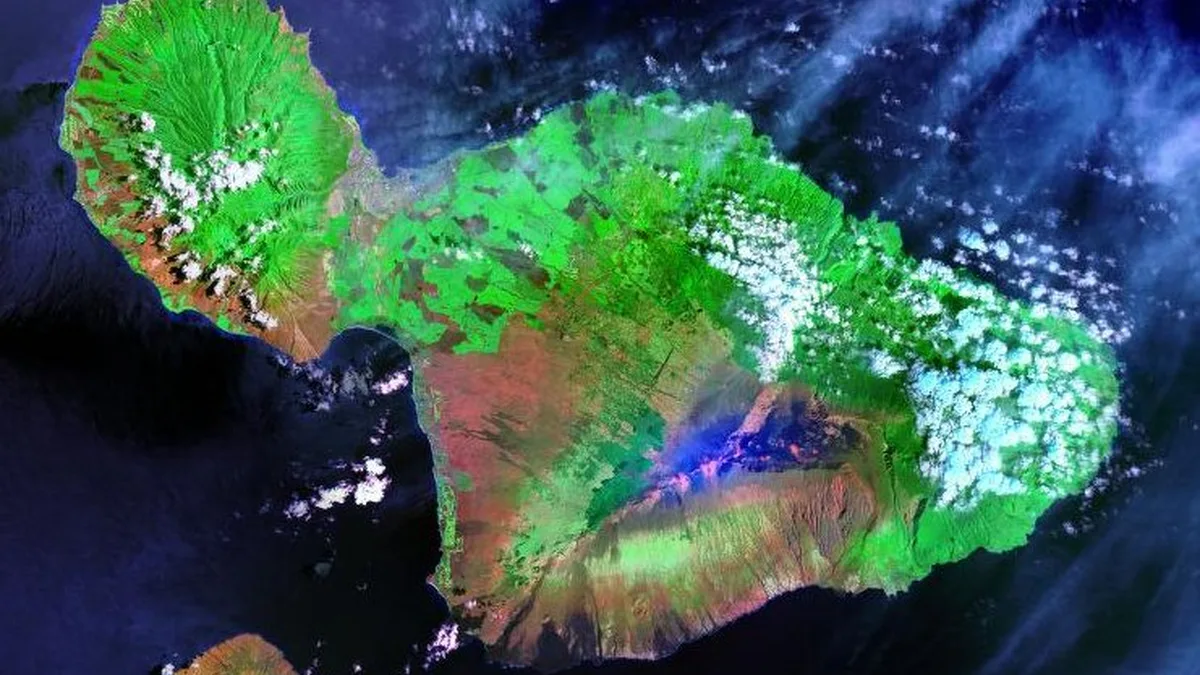
Maui
| Archipelago | Hawaiian Islands |
|---|---|
| Major island | Maui |
| Time zone | Hawaii–Aleutian Standard Time (HAST) |
| Principal airport | Kahului Airport (OGG) |
| Typical flight origin | North America west coast |
| Travel type | Transoceanic flight plus inter-island connection |
Origin and history
Maui is a volcanic island located in the Central Pacific, forming part of the Hawaiian archipelago. Its geological origin dates back millions of years, created by volcanic activity from a hotspot beneath the Pacific tectonic plate. Human settlement on Maui is traced to Polynesian voyagers who navigated the open ocean and arrived centuries before European contact. These settlers established complex societies and a distinct culture across the island. Western discovery by Europeans occurred in the late 18th century, with the island later becoming a key site for sugarcane and pineapple plantations in the 19th and 20th centuries. Maui was formally incorporated as a county within the State of Hawaii following U.S. statehood in the mid-20th century.
What it is for
Maui functions primarily as a tourist destination, leveraging its natural landscapes and climate to support a large hospitality and service industry. The island also serves as a permanent residential community for over 150,000 people, with local economies extending beyond tourism into agriculture, education, and healthcare. Historically, its fertile volcanic soil made it a center for large-scale agricultural production, particularly sugarcane. The island's diverse environments, from rainforests to arid coasts, support scientific research and conservation efforts focused on native species and ecosystems. Furthermore, Maui is a significant cultural center for the perpetuation of Native Hawaiian traditions, language, and arts. Its infrastructure supports both the daily needs of residents and the logistical demands of high-volume visitor traffic.
Things to do in Maui
Visitors can drive the famed Hana Highway, a winding coastal road passing numerous waterfalls, pools, and scenic vistas. Snorkeling or diving at Molokini Crater, a partially submerged volcanic caldera, offers encounters with clear water and abundant marine life. Watching the sunrise from the summit of Haleakalā, a massive dormant volcano, is a popular early morning activity requiring a reservation. Taking a whale-watching tour from Lahaina or Maalaea Harbor provides opportunities to see humpback whales during their winter migration. Exploring the historic whaling town of Lahaina involves visiting its preserved buildings, banyan tree, and museums. Hiking trails range from easy coastal paths like the Kapalua Coastal Trail to challenging treks through the bamboo forests of the Pipiwai Trail.
What to do in Maui
You should book activities requiring reservations well in advance, particularly for Haleakalā sunrise, popular snorkel tours, or sought-after luau shows. Renting a car is strongly recommended to access the island's dispersed attractions, as public transportation is limited. You must respect kapu (sacred) areas and private property, especially when visiting remote waterfalls or shoreline paths. Applying reef-safe sunscreen is a necessary step to protect fragile coral ecosystems before entering the ocean. You should check ocean conditions daily via lifeguard-posted signs, as shorebreaks and strong currents can be dangerous on certain beaches. Planning your day around geographic regions minimizes drive time, as traffic, especially in central Kihei and the Lahaina bypass road, can be congested.
Best time to visit Maui
The peak tourist seasons, which offer the most reliably dry and sunny weather, typically run from mid-December through April and again from mid-June through August. Visiting during the shoulder months of April through early June or September through November often provides favorable weather with fewer crowds and lower accommodation rates. Whale watching season is optimal from January through March, when humpback whales are most active in the channel between Maui and neighboring islands. The summer months generally bring warmer temperatures and calmer ocean conditions on leeward coasts, ideal for snorkeling and diving. The winter months can see larger surf on north-facing shores, attracting experienced surfers but creating hazardous conditions for casual swimmers.
Maui itinerary
A five-day itinerary typically allocates one full day for the Road to Hana, starting very early and allowing time for multiple stops. A second day is commonly dedicated to Haleakalā National Park, combining a sunrise viewing with hiking in the summit area or descending into the crater. A third day often focuses on West Maui, incorporating a morning snorkel trip, an afternoon in Lahaina, and perhaps an evening luau. The fourth day might be spent exploring South Maui's beaches, such as those in Wailea and Kihei, and visiting the Maui Ocean Center. A fifth day allows for revisiting a favorite site, taking a specialized tour like a farm visit in upcountry, or simply relaxing. This schedule assumes a rental car and involves a substantial amount of driving, so building in unstructured time is advised to account for fatigue or unexpected discoveries.
Pros and cons
A primary advantage is Maui's accessible diversity, where dramatic volcanic landscapes, tropical rainforests, and resort beaches exist in close proximity. A significant disadvantage is the high cost, encompassing not only airfare and lodging but also car rentals, dining, and activities, which collectively exceed most other U.S. vacation destinations. The island's natural beauty is a major pro, but this also leads to a con in the form of overtourism at popular sites, resulting in crowded parking lots, strained infrastructure, and a diluted sense of place. The generally pleasant weather is a benefit, though visitors who do not research microclimates may regret packing only for beach weather and find themselves unprepared for cool, wet conditions in other zones. Many first-time visitors make the mistake of trying to see too much, leading to a stressful vacation dominated by long drives rather than relaxation. Those who dislike planning or rigid schedules often regret their trip, as the best experiences require advance bookings and strategic timing.
Who it suits
Maui suits travelers with considerable discretionary income who are prepared for premium pricing across all aspects of their trip. It is ideal for active couples or families seeking a blend of adventure, such as hiking and snorkeling, with resort-style comforts and dining. The island appeals to nature enthusiasts and photographers drawn to unique geological formations, marine environments, and endemic species. It is less suited for budget-conscious travelers, backpackers seeking a low-cost tropical experience, or those averse to significant planning and advance reservations. Maui can work for those interested in Hawaiian culture, provided they seek out authentic educational experiences beyond commercial luaus. It is not a good match for visitors seeking a vibrant nightlife scene, as entertainment is largely limited to resort bars and a handful of restaurants.