Los Angeles
| Country of origin | United States |
|---|---|
| First created | 18th century |
| Original use | Settlement (Spanish pueblo) |
| Getting there | Major international airport (LAX), interstate highways, Amtrak service |
| Climate | Mediterranean |
| Terrain | Coastal basin surrounded by mountains and hills |
| Major industries | Entertainment, international trade, aerospace, tourism |
Origin and history
Los Angeles originates from the land of the Tongva and Chumash peoples, who inhabited the Southern California basin for millennia. The modern city was founded as a Spanish pueblo in the late 18th century, following the establishment of the Mission San Gabriel Arcángel nearby. It was part of Mexico after its independence from Spain in the early 19th century before becoming part of the United States in 1848 following the Mexican-American War. The city's growth accelerated in the late 19th century with the arrival of railroads and the discovery of oil. The early 20th century saw the rise of the film industry, which fundamentally shaped its global identity and spurred massive population growth. Los Angeles continued to expand through post-war suburban development and remains a primary destination for immigration, both domestic and international.
What it is for
Los Angeles functions as a global hub for entertainment and media production, housing the major film, television, and music industries. It serves as a critical economic and logistical gateway to the Pacific Rim, with the contiguous ports of Los Angeles and Long Beach forming one of the world's busiest container ports. The city is a leading center for international trade, aerospace, technology, and professional services. It acts as a primary cultural and fashion trendsetter, influencing styles and narratives worldwide. Academically, it is home to major research institutions like UCLA and USC. Furthermore, its diverse manufacturing base includes everything from apparel to automotive design.
Things to do in Los Angeles
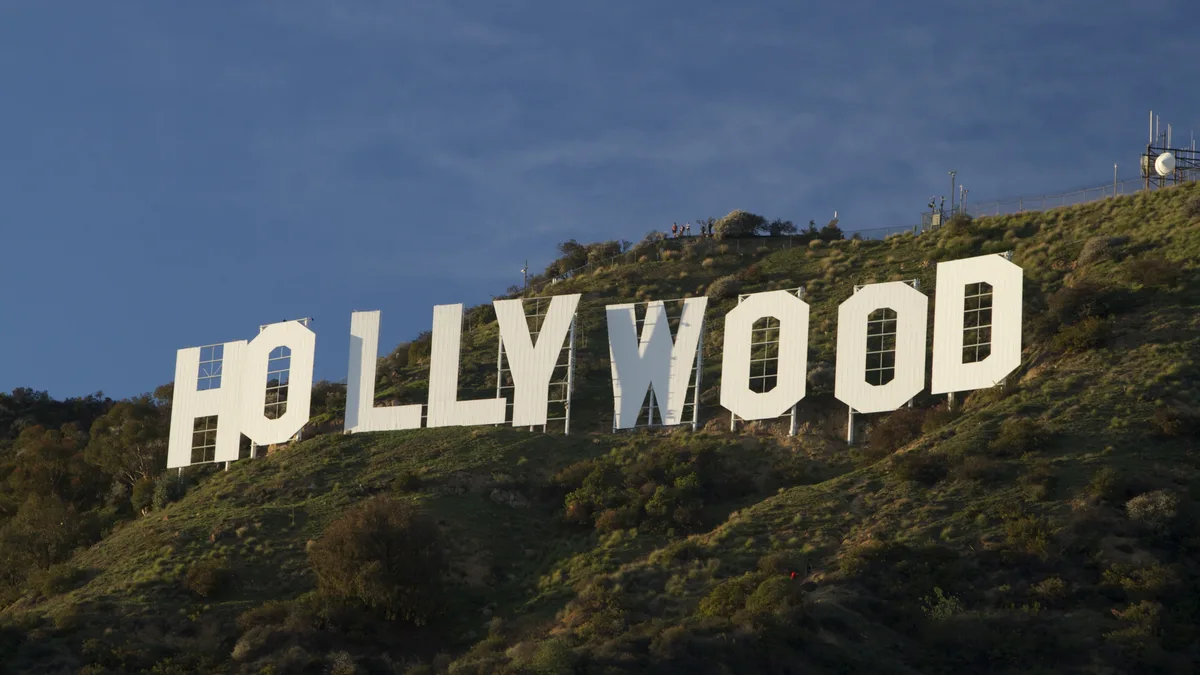
Outdoor activities include hiking in Griffith Park to the Hollywood Sign, visiting the beaches of Santa Monica and Venice, or strolling along the Venice Beach Boardwalk. Theme park enthusiasts can spend days at Disneyland Resort in Anaheim or Universal Studios Hollywood. Architectural tours can highlight landmarks like the Walt Disney Concert Hall, the Bradbury Building, and historic Art Deco structures. Neighborhood exploration is key, with distinct areas such as Downtown's Arts District, Koreatown, Olvera Street, and the galleries of Beverly Hills. Observing the city from vantage points like the Griffith Observatory or the Getty Villa offers panoramic perspectives.
What to do in Los Angeles
Attend a live television show taping, which requires planning and often free tickets secured in advance. Visit a working film studio on a tour to see behind-the-scenes operations of set construction and production. Drive along Mulholland Drive for iconic views of the city and the San Fernando Valley. Experience the food scene through its countless ethnic enclaves, from authentic tacos in Boyle Heights to Thai cuisine in Hollywood. See a concert or sporting event at major venues like the Hollywood Bowl, Crypto.com Arena, or Dodger Stadium. Spend a day people-watching and shopping on the Third Street Promenade in Santa Monica or at the Grove.
Best time to visit Los Angeles
The most consistently pleasant weather typically occurs from late spring (April to June) and early autumn (September to October), offering warm days and cooler evenings with minimal fog. Summer months (July and August) are reliably sunny and dry but can be quite hot inland, while coastal areas remain cooler and often shrouded in morning marine layer clouds. Winter is mild and can be rainy, particularly from December through March, though this is also when the surrounding hills turn green. Crowds are generally largest during summer vacation and major holidays, which increases prices for accommodations. Visiting during the shoulder seasons often provides a balance of good weather, slightly smaller crowds, and more manageable rates. Note that "June Gloom" is a common meteorological pattern of overcast mornings along the coast.
Los Angeles itinerary
A three-day itinerary might begin with a day focused on Hollywood and central LA, including the Walk of Fame, Griffith Observatory, and a tour of a major studio. The second day could be dedicated to the west side, combining a visit to the Getty Center, shopping and dining in Westwood or Beverly Hills, and an evening at Santa Monica Pier and beach. A third day allows for exploring Downtown LA's landmarks like The Broad, Grand Central Market, and the Walt Disney Concert Hall, followed by an evening in a distinct neighborhood like Arts District or Koreatown. A longer stay permits day trips to destinations like Malibu, the Getty Villa in Pacific Palisades, or Disneyland. All itineraries must account for significant transit time between locations, as distances are vast. Utilizing a rental car is highly recommended for any itinerary that spans multiple regions of the metropolitan area.
Pros and cons
The climate is a major draw, offering mild winters and abundant sunshine for much of the year. Cons are substantial and include the city's infamous traffic congestion, which can make even short distances time-consuming and stressful. The high cost of visiting, particularly for accommodations, rental cars, and dining in popular areas, is a persistent barrier. The urban sprawl can feel disjointed and lacking a single central core, which disorients some visitors. Common regrets come from visitors who underestimate travel times and fail to cluster activities geographically, spending excessive hours in a car. Air quality, while improved, can still be poor, especially in inland valleys during hot weather.
Who it suits
Los Angeles suits visitors deeply interested in film, television, and pop culture history who want to see its landmarks and behind-the-scenes operations. It appeals to food enthusiasts eager to explore authentic global cuisines across dozens of distinct neighborhoods. The city is ideal for those who prioritize outdoor activities like hiking, beach-going, and year-round golf or tennis. It works for travelers comfortable with independent exploration by car, as public transit, while improving, remains limited for comprehensive touring. Los Angeles is less suited for those seeking a walkable, historic European-style city core or a compact, easily navigable urban vacation. It also may not satisfy travelers on a tight budget or those who become frustrated by logistical challenges and congestion.