Air Canada
| Airline alliance | Star Alliance |
|---|---|
| Country of origin | Canada |
| First created | 1937 |
| Original use | National air carrier |
| Primary hubs | Toronto Pearson, Montréal–Trudeau, Vancouver |
| Frequent-flyer program | Aeroplan |
| Mainline fleet type | Airbus A220, Airbus A320 family, Airbus A330, Boeing 737 MAX, Boeing 777, Boeing 787 |
| Service type | Full-service carrier |
Origin and history
Air Canada is the flag carrier and largest airline of Canada. Its origins trace back to the 1930s with the creation of a government-operated air service. This service was initially formed to provide air mail transportation across the vast Canadian geography. The airline was later incorporated as a private company in the mid-20th century, taking on the name Air Canada. It evolved from a regional mail carrier into a national passenger airline over the following decades. The airline was fully privatized by the late 1980s, ending its status as a government-owned Crown corporation. Its historical development is deeply intertwined with the challenge of connecting Canada's dispersed population centers.
What it is for
Air Canada's primary function is to provide scheduled air transportation for passengers and cargo. It operates a comprehensive network connecting cities across Canada, from major hubs like Toronto and Vancouver to numerous regional destinations. The airline serves as a critical link for international travel, offering flights to the United States, Europe, Asia, the Caribbean, and South America. It facilitates business travel, tourism, and the movement of goods through its extensive route structure and cargo division. The airline also offers charter services and plays a key role in transporting air freight. Its operations are essential for maintaining economic and social connections within Canada and between Canada and the world.
Pros and cons
A significant advantage of Air Canada is its extensive domestic network, which often provides the most direct routing between Canadian cities compared to foreign carriers. The airline's frequent flyer program, Aeroplan, is well-integrated with a global alliance and offers valuable redemption options. However, a common criticism involves operational reliability, particularly during severe winter weather, which can lead to widespread flight delays and cancellations. Travelers sometimes report frustrations with customer service responsiveness following disruptions or baggage issues. The airline's basic economy fares can come with restrictive conditions that catch infrequent flyers by surprise. While its premium cabins on long-haul routes are generally well-regarded, the consistency of service in domestic economy can be variable.
Who it suits
Air Canada suits travelers whose primary need is efficient connectivity within Canada, especially for routes not served by other airlines. It is a practical choice for those enrolled in the Aeroplan loyalty program who can benefit from earning and redeeming points across the Star Alliance network. The airline's schedule and hub system cater well to business travelers requiring access to major Canadian and key international financial centers. It is less suited for ultra price-sensitive leisure travelers solely seeking the absolute lowest fare, as competitors may offer cheaper options on some routes. Flyers who prioritize a predictable and resilient operation during winter months may find better consistency with other carriers. It remains the default option for many Canadians due to its scale and comprehensive coverage of the domestic market.
Latest Air Canada news
Latest reporting
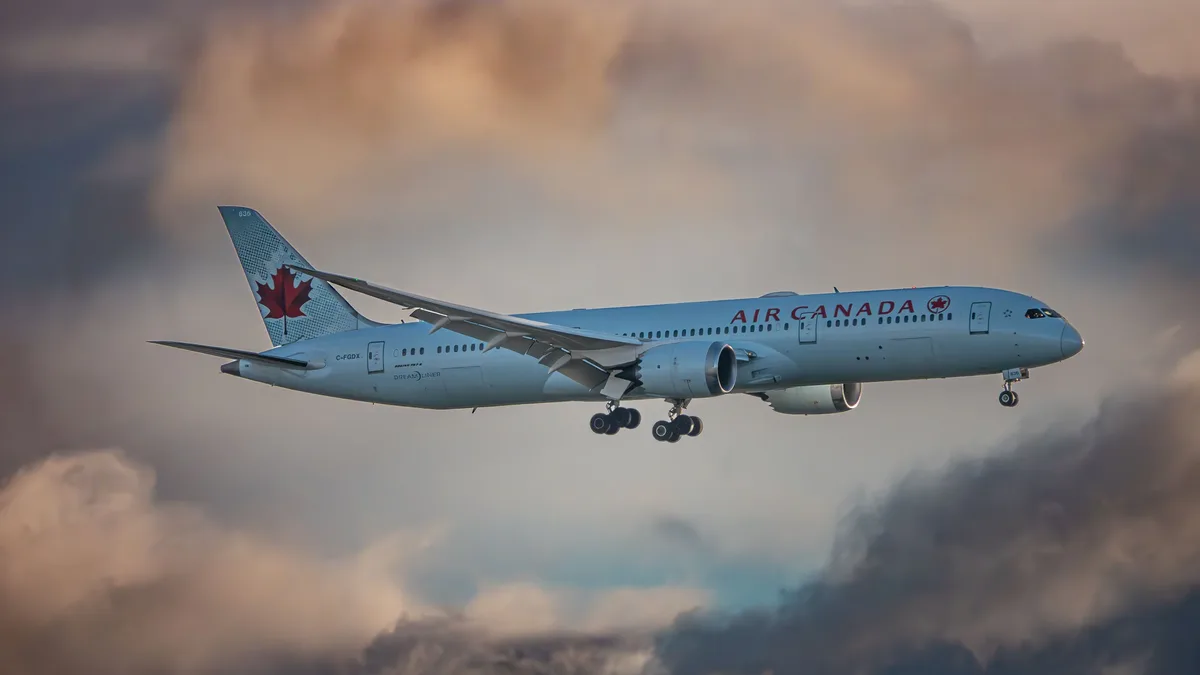
Air Canada launches first non-stop flights to Tenerife
Air Canada has begun the only direct flights from North America to the Canary Islands, with new seasonal routes from Toronto and Montreal to Tenerife...
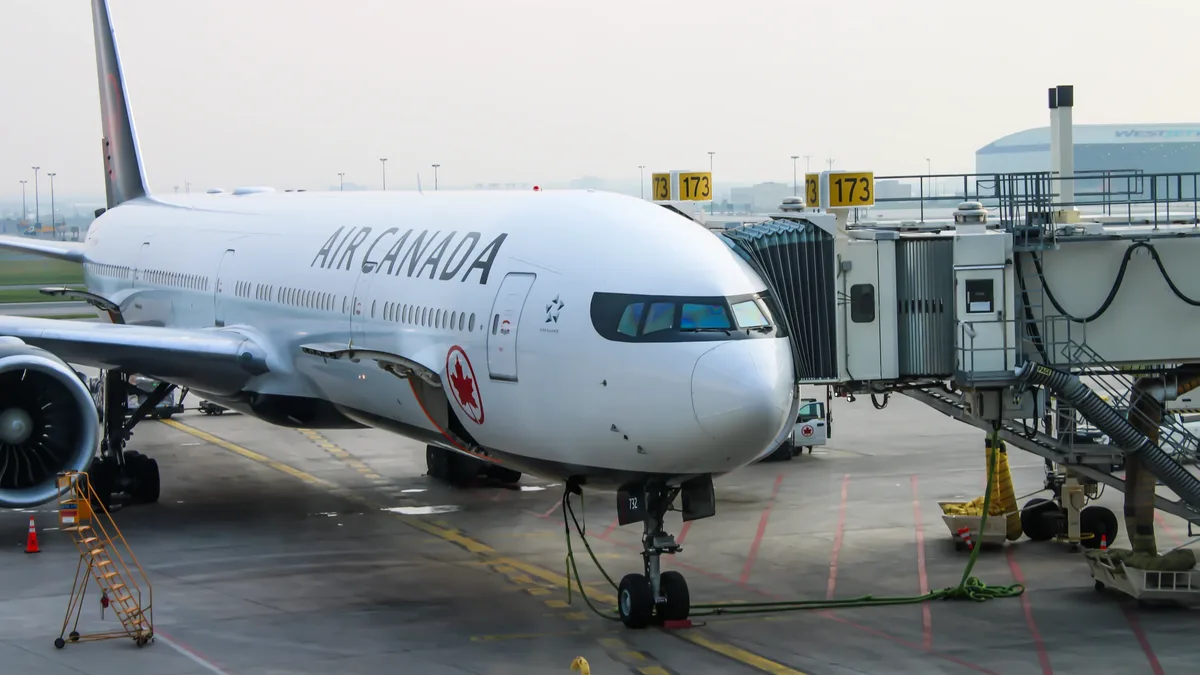
Air Canada and United Add Six Transborder Routes for 2027
Air Canada and United Airlines will launch six new seasonal transborder routes in summer 2027, expanding their joint network with flights from...
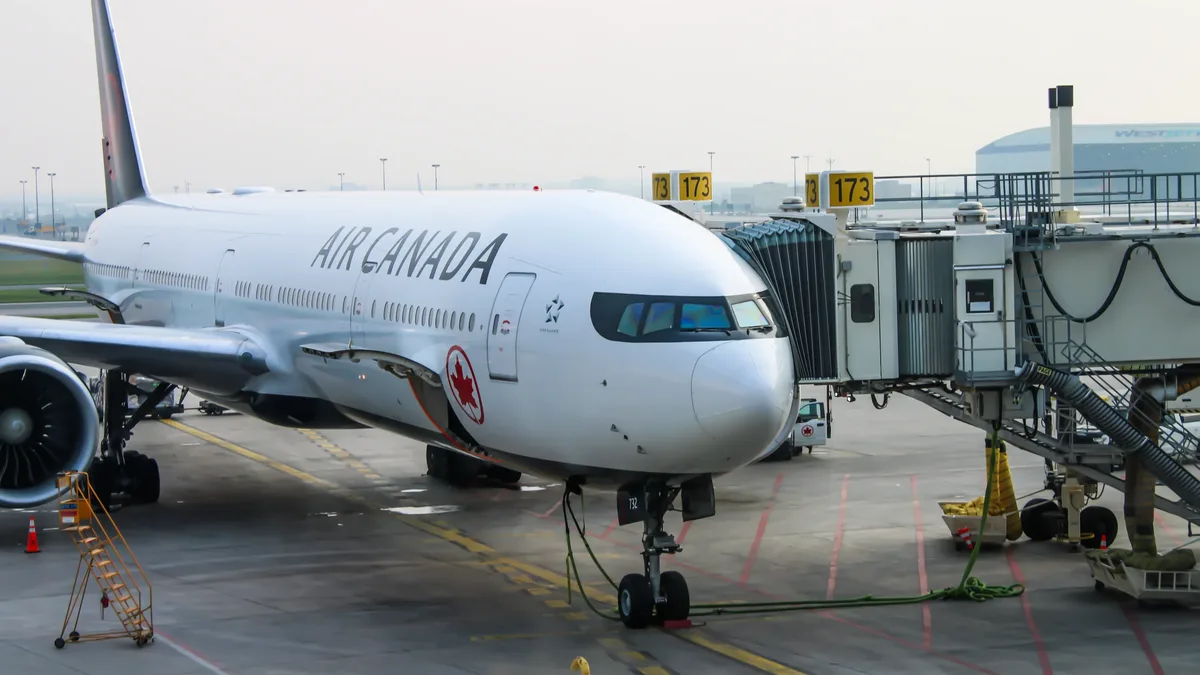
Canada-Dominican Republic flights to jump 39% for winter
AERODOM, the airport operator, will increase seat capacity from Canada to the Dominican Republic by 39% for the 2026-2027 winter season.

Air Canada Extends Flight Suspensions to Dubai and Tel Aviv Until 2027
Air Canada has prolonged the suspension of its flights to Tel Aviv until March 8, 2027, and to Dubai until March 3, 2027, citing ongoing military...