US Lifts Flight Restrictions on Mexico City Airports
The US Department of Transportation has revoked restrictions on new flights from Mexico City's airports, allowing Mexican carriers to pursue expansion to the United States after a year-long dispute was resolved.
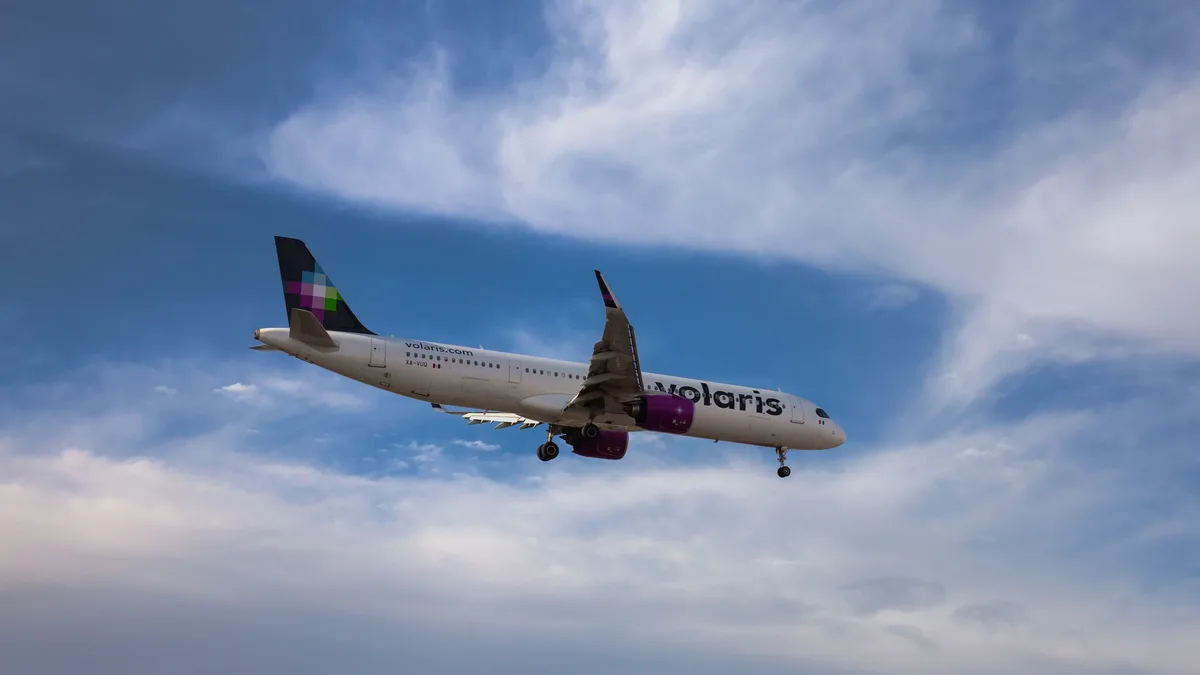
The US Department of Transportation lifted restrictions on Mexico City International Airport (AICM) and Felipe Ángeles International Airport (AIFA) on Friday, October 16, 2026. The immediate change permits Aeroméxico, Viva Aerobus, and Volaris to launch new routes and increase services to the United States, reopening a critical air corridor.
The decision revoked an October 28, 2025 order. That order had been imposed after the US concluded Mexico breached a 2015 bilateral air transport agreement. The breach stemmed from Mexico's removal of slots from US passenger airlines at AICM in 2022 and the forced relocation of US cargo flights to AIFA. The US action had frozen growth for Mexican carriers from the two Mexico City airports.
Background of the original restrictions and their impact
The 2025 order had scrapped 13 current or planned US routes operated by Aeroméxico, Volaris, and Viva Aerobus. It disapproved existing, proposed, and future schedules from AICM and AIFA. The restrictions limited Mexican airlines' ability to develop new passenger services and additional frequencies to the United States for a full year.
The reversal followed months of negotiation. It came after Mexico's adherence to a Memorandum of Consultations signed by both governments in May 2026. The US Department of Transportation stated it monitored compliance efforts by Mexico's Secretariat of Infrastructure, Communications and Transportation (SICT) since that agreement. Mexico corrected most US demands, including returning operational time slots at AICM to US airlines.
What the change means for airlines and routes
The lifting of restrictions allows Mexican carriers to pursue new frequencies and services. It does not automatically restore cancelled flights or guarantee immediate new routes. Each airline must still obtain US Department of Transportation approval for specific plans.
Aeroméxico stated the revocation gives it greater flexibility to evaluate opportunities to increase frequencies and introduce new services between Mexico City and the United States. Viva Aerobus said it will evaluate opportunities to develop new international connections, considering operating and regulatory conditions. Neither airline announced specific routes or launch dates. The portfolio of nine US destinations Viva had planned from AIFA is a candidate for revival, pending approval.
The decision is conditional. Mexico promised to return remaining slots once US airlines are ready to resume suspended flights. US airlines may also apply for time slot allocations for cargo operations at AICM. Mexican airlines will still need separate approval to operate widebody aircraft to and from the United States.
Broader context of US-Mexico air travel
The US and Mexico share one of the world's busiest international travel markets. Access to Mexico City is commercially vital. It is a major business destination and a connecting hub for travel throughout Mexico and Latin America.
For Mexican carriers, adding flights from AICM and AIFA creates new opportunities to compete for traffic. The wider benefits for travelers depend on how quickly airlines respond with additional routes and frequencies. Aeroméxico, Volaris, and Viva are evaluating opportunities to increase frequencies and introduce new services between Mexico City and the United States, subject to DOT approval.