Turkish Airlines
| Country of origin | Turkey |
|---|---|
| First created | 1933 |
| Hub airport | Istanbul Airport (IST) |
| Fleet size | Over 400 aircraft |
| Service classes | Economy, Comfort Class, Business |
| Alliance | Star Alliance |
| Frequent-flyer program | Miles&Smiles |
| Route network | Over 340 destinations |
Origin and history
Turkish Airlines is the national flag carrier of the Republic of Turkey. Its origins trace back to the 1930s when it was founded as a department of the country's Ministry of National Defense. The airline began its operational life with a fleet of just five aircraft, focusing initially on domestic routes within Turkey. By the mid-20th century, it had evolved into a state-owned enterprise separate from the military, expanding its service to international destinations. The airline underwent a significant transformation in the latter decades of the 20th century, particularly following its partial privatization in the 2000s. This period marked a phase of rapid fleet modernization and network expansion, establishing its current operational scale.
What it is for
Turkish Airlines operates as a full-service global network carrier, providing scheduled passenger and cargo flight services. Its primary function is to connect Turkey with destinations worldwide, serving as a major bridge for travel between Europe, Asia, Africa, and the Americas. The airline utilizes its extensive route network, with Istanbul Airport as its central hub, to facilitate both point-to-point travel and complex multi-segment itineraries. A significant part of its service model involves carrying transfer passengers between continents via its Istanbul hub, which is marketed as a convenient connecting point. Beyond basic transportation, the airline provides associated services including in-flight catering, lounge access, and frequent flyer programs. It also operates a dedicated cargo division, Turkish Cargo, which manages freight shipments utilizing both dedicated freighters and belly-hold capacity on passenger aircraft.
Pros and cons
A primary advantage of Turkish Airlines is its exceptionally extensive global route network, particularly strong in regions like Eastern Europe, the Middle East, and Africa where other carriers offer fewer direct options. The quality of its in-flight catering on long-haul routes is frequently noted as a positive differentiator compared to many European and American network carriers. The airline's hub at Istanbul Airport, while modern and large, can be a con for some travelers due to the often considerable walking distances and potential for congestion during peak connection times. A common mistake passengers make is underestimating the minimum connection time required at Istanbul Airport for international transfers, which can lead to missed flights and complicated rebooking. Those who regret choosing Turkish Airlines often cite experiences of operational delays or irregular flight disruptions where customer service responsiveness at the airport can become overwhelmed. The airline's complex fare classes and rules can also be a disadvantage for infrequent travelers who may inadvertently purchase a highly restrictive ticket without understanding the limitations.
Who it suits
Turkish Airlines suits travelers whose itineraries are well-served by its network, especially those traveling to or from destinations in Turkey, the Balkans, the Caucasus, or Central Asia. It is a practical choice for cost-conscious passengers seeking full-service amenities on long-haul flights, as it often competes on price with Gulf carriers while providing a similar hub-and-spoke model. The airline appeals to travelers who prioritize in-flight food quality and are willing to trade a potentially more efficient hub for a wider selection of destinations. It is less suited for travelers who prioritize absolute on-time performance or who require extremely streamlined connections, as the experience at its massive hub can be demanding. Passengers with flexibility and an understanding of airline operations, who can navigate a large airport and manage potential delays, will find it a useful carrier. It is also a logical option for collectors of frequent flyer miles within the Star Alliance network, as it offers numerous opportunities for earning and redeeming miles across its vast route system.
Latest Turkish Airlines news
Latest reporting
Alaska Airlines Adds Five New Seattle Routes for Summer 2027
Alaska Airlines will launch its largest-ever summer expansion from Seattle in 2027, adding four new year-round U.S. destinations and a seasonal route...
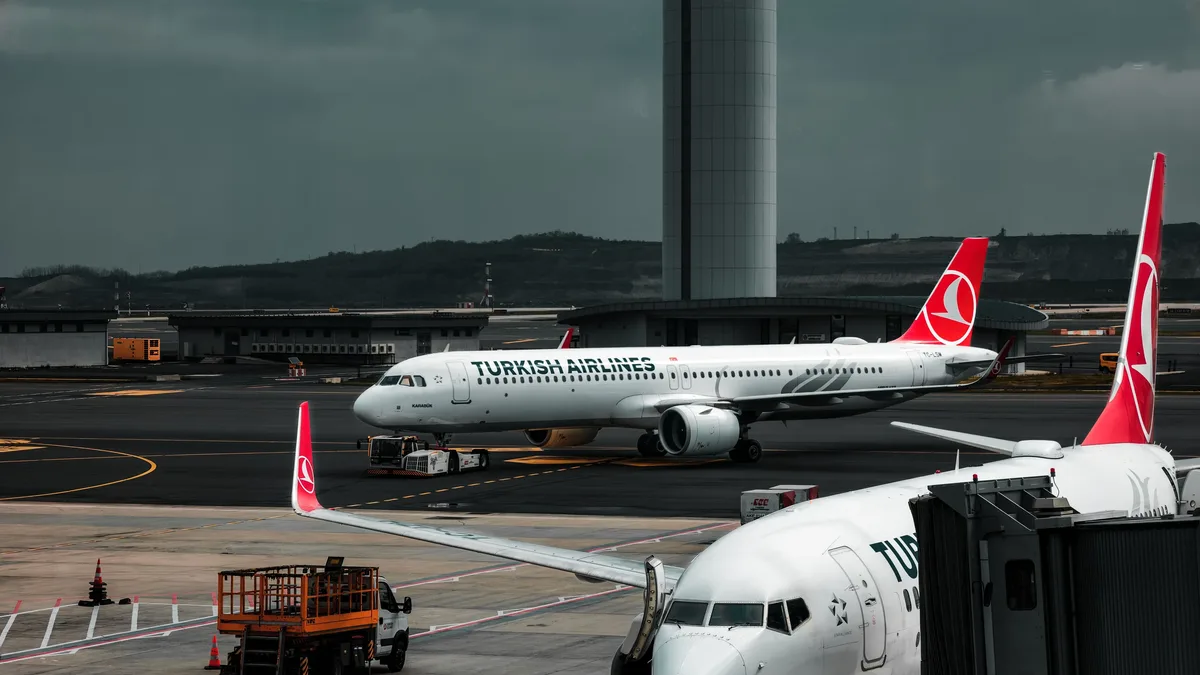
Turkish Airlines Launches New Route to Chengdu, China
Turkish Airlines has expanded its mainland China network to four cities with the launch of scheduled flights to Chengdu-Tianfu, operating three times...
Swiss and Lufthansa suspend Dubai flights until 2027 winter
SWISS, Austrian Airlines, and ITA Airways will keep flights to Dubai suspended until March 27, 2027, citing regional instability.
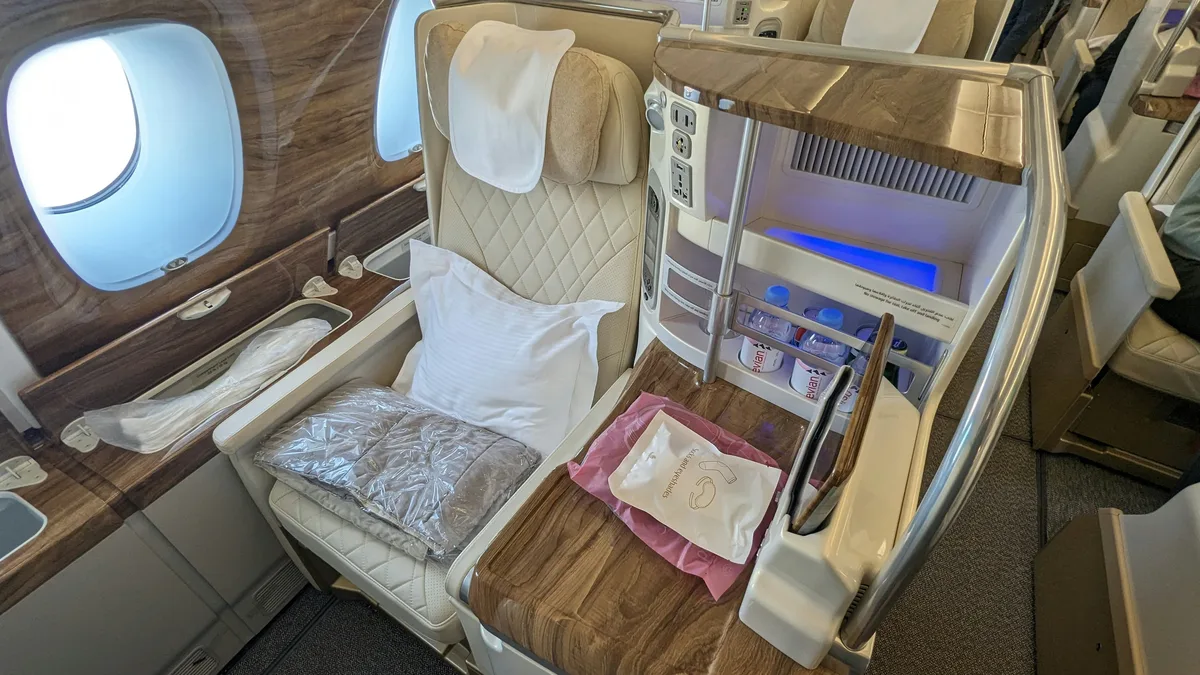
Frontier Airlines launches new First Class cabin with Starlink Wi-Fi
Frontier Airlines has opened reservations for a new First Class cabin, featuring a 2-2 seat configuration with 37-inch pitch and Starlink Wi-Fi.
Porter Airlines Adds Tampa and Montego Bay Flights from Hamilton
Porter Airlines expands its winter sun network from Hamilton, launching new non-stop routes to Tampa, Florida and Montego Bay, Jamaica, bringing its...
Pakistan International Airlines appoints new CEO as 787-9 arrives
Pakistan International Airlines has appointed veteran New Zealand executive Adrian Hamilton-Manns as its new CEO following its privatisation.